
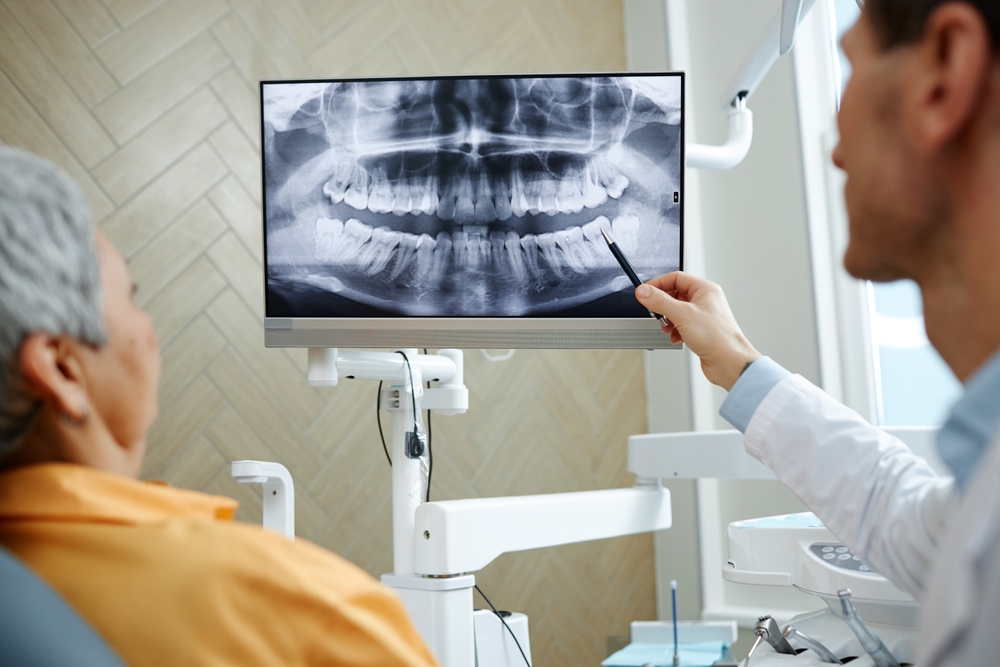
Visiting the dentist regularly is often considered a routine health activity, but its significance extends far beyond cleaning and cosmetic care. For residents of Southwest, Florida, understanding the importance of consistent dental exams and X-rays is crucial in preventing serious dental emergencies. At Emergency Dentistry, our multiple providers emphasize the role of early detection in maintaining oral health and avoiding urgent procedures that could otherwise have been prevented. Regular visits allow dental professionals to identify subtle changes and potential issues before they escalate into painful or complicated emergencies, helping patients maintain both comfort and oral function.
Understanding Routine Dental Exams
Routine dental exams are more than just an opportunity to have your teeth cleaned; they are comprehensive evaluations of your overall oral health. During these exams, dentists carefully assess each tooth, gums, and the surrounding tissues for signs of decay, infection, or other abnormalities. These examinations also include reviewing a patient’s medical and dental history, which can provide insights into risk factors for certain conditions. Early detection of issues like cavities, gum disease, or even oral cancer significantly increases the chances of successful treatment and can prevent small problems from turning into emergencies.
Dental exams also provide a platform for patients to discuss any symptoms they may be experiencing, such as sensitivity, discomfort, or swelling. These conversations can help dental professionals identify problems that may not yet be visible on the surface. By addressing these concerns early, patients can avoid more invasive and costly treatments down the line. Regular dental exams are a cornerstone of preventive care, serving as the first line of defense against unexpected dental crises.
The Role of X-Rays in Early Detection
X-rays, or radiographs, are a vital tool in modern dentistry for identifying issues that cannot be seen during a standard visual examination. They allow dentists to see the internal structures of teeth, roots, and jawbone, revealing hidden problems such as impacted teeth, infections, cysts, and bone loss. Early identification of these issues is critical because many of them can progress silently and cause severe pain or complications if left untreated.
For example, cavities that develop between teeth or beneath existing fillings may go unnoticed without X-rays. Similarly, infections at the root of a tooth or deep within the jaw can remain asymptomatic until they become acute and require emergency intervention. Periodic X-rays help track changes over time, giving dentists the ability to monitor progression and intervene proactively. This proactive approach significantly reduces the likelihood of emergency dental procedures and supports long-term oral health.
Preventing Emergencies Through Early Detection
Emergency dental situations often arise when minor issues are ignored or go undetected. Tooth decay, gum disease, and infections can escalate quickly, resulting in severe pain, abscesses, or the need for extractions. By scheduling regular dental exams and X-rays, patients allow professionals to catch these problems early, when treatment is simpler and recovery is quicker.
In addition to detecting issues early, routine care also educates patients about proper oral hygiene practices and risk factors. Patients learn how lifestyle choices, diet, and daily habits affect their oral health and what preventive measures can reduce the likelihood of sudden dental emergencies. Awareness combined with early intervention creates a proactive framework that empowers individuals to maintain their oral health and avoid unnecessary discomfort or invasive procedures.
The Connection Between Oral and Overall Health
Oral health is closely linked to overall health, making early detection of dental issues even more critical. Untreated dental infections can lead to systemic problems, including cardiovascular complications, diabetes-related issues, and even respiratory infections. Dental exams and X-rays provide an opportunity to catch these conditions early, allowing patients to address underlying problems before they affect overall health.
Regular monitoring also helps identify signs of more serious conditions that may manifest first in the mouth, such as osteoporosis or autoimmune disorders. Dentists are often the first professionals to notice subtle indicators that something may be wrong elsewhere in the body. This interconnected understanding underscores why preventive care, including exams and X-rays, is not just about oral health—it is a vital part of maintaining overall well-being.
Tips for Maintaining Routine Dental Care
Maintaining consistent dental care requires awareness and commitment. Patients should aim to schedule exams and X-rays based on individual risk factors, age, and prior dental history. Dentists may recommend more frequent visits for those with a history of cavities, gum disease, or chronic conditions that impact oral health.
Some practical steps to maintain oral health include:
- Brushing teeth at least twice a day with fluoride toothpaste
- Flossing daily to remove plaque between teeth
- Limiting sugary snacks and beverages
- Monitoring for early signs of discomfort, swelling, or sensitivity
- Keeping an updated schedule for routine exams and X-rays
Following these preventive strategies enhances the effectiveness of professional dental care and reduces the likelihood of encountering emergencies.
Conclusion
Regular dental exams and X-rays are essential tools in detecting potential problems before they escalate into urgent situations. For those in Southwest, Florida, understanding the significance of these preventive measures can lead to a healthier, pain-free life. At Emergency Dentistry, our multiple providers recognize the value of early detection and encourage patients to prioritize routine care. By maintaining a proactive approach, individuals can safeguard both their oral and overall health while avoiding the stress and discomfort of unexpected dental emergencies.
Resources:
McLaughlin, K. A., & Nolen-Hoeksema, S. (2011). Rumination as a Transdiagnostic Factor in Depression and Anxiety. Behavior Research and Therapy.
Petersen, P. E. (2003). The World Oral Health Report 2003: Continuous Improvement of Oral Health in the 21st Century. Community Dentistry and Oral Epidemiology.
Selwitz, R. H., Ismail, A. I., & Pitts, N. B. (2007). Dental Caries. The Lancet.


