
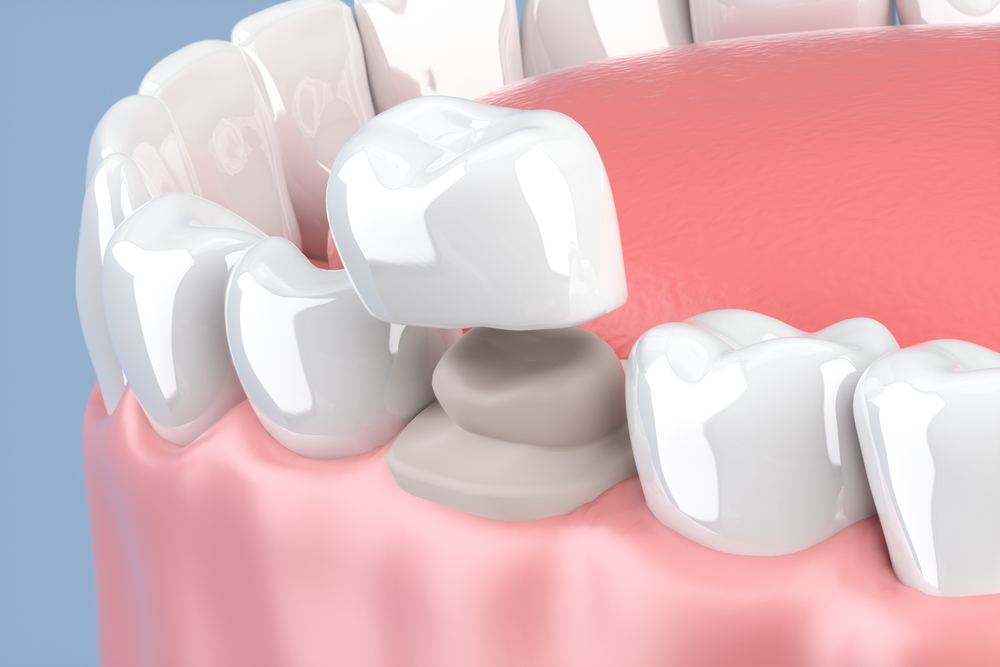
Dental crowns play a crucial role in maintaining oral health, especially for individuals in Southwest, Florida who may face tooth damage due to decay, injury, or wear. At Emergency Dentistry, our multiple providers emphasize the importance of understanding how crowns can prevent small dental problems from escalating into serious emergencies. Crowns act as a protective shield, restoring both the function and appearance of teeth while reinforcing weakened structures. Learning about their purpose, benefits, and preventive potential can help patients make informed decisions about maintaining their oral health.
Understanding Dental Crowns
Dental crowns are essentially caps that cover a damaged or weakened tooth, restoring its shape, strength, and functionality. Unlike fillings, which repair small areas of damage, crowns encase the entire tooth structure, providing comprehensive protection. This is particularly important for teeth that have undergone significant decay, root canal treatments, or trauma. The primary function of a crown is to prevent further damage, reduce sensitivity, and maintain the tooth’s ability to bite and chew effectively.
Crowns can be made from various materials, including porcelain, ceramic, metal, or a combination of materials. Each type offers specific advantages, such as durability, aesthetic appeal, or resistance to wear. Understanding the differences between these materials helps patients anticipate how a crown might perform in the long term. Additionally, crowns can preserve a natural tooth that might otherwise require extraction if the damage worsens, highlighting their role in proactive dental care.
When a Tooth Needs a Crown
Not every damaged tooth requires a crown, but there are clear indicators that a tooth may benefit from this protective measure. Severe decay, large fillings, cracks, fractures, or teeth that have undergone root canal therapy are common situations where crowns are recommended. Crowns help stabilize teeth that have lost structural integrity, preventing them from breaking further under normal daily pressure.
Signs that a tooth may need a crown include pain when chewing, sensitivity to hot or cold, visible cracks, or weakening due to previous dental work. Even if a tooth appears relatively intact, underlying damage can make it vulnerable to sudden breakage or infection. By recognizing these warning signs and addressing them with crowns, patients reduce the risk of unexpected dental emergencies and maintain their overall oral health.
The Benefits of Crowns in Preventing Emergencies
Crowns provide both functional and protective benefits that are instrumental in preventing dental emergencies. By covering a compromised tooth, crowns distribute bite forces evenly, reducing stress on fragile areas that might otherwise fracture. They also act as barriers against bacteria, preventing infections from developing within the tooth or surrounding gum tissue.
The preventive nature of crowns extends beyond structural protection. Patients often experience improved comfort when eating or speaking, as crowns stabilize sensitive teeth. Crowns also help maintain alignment by preventing neighboring teeth from shifting due to a weakened tooth. This alignment preservation is particularly important for avoiding bite issues and jaw pain that can emerge when teeth are left untreated.
The Process of Preparing for a Crown
While crowns are primarily a restorative tool, understanding the preparation process highlights their role in long-term dental health. Preparing a tooth for a crown typically involves reshaping the damaged tooth to ensure a proper fit, taking impressions to customize the crown, and temporarily protecting the tooth while the permanent crown is fabricated.
Modern dentistry uses advanced techniques to make this process as efficient and comfortable as possible. The impressions allow precise crafting of the crown, ensuring that it aligns with surrounding teeth and restores proper bite mechanics. Even though the procedure requires multiple steps, the long-term benefits of preventing fractures, decay, or infection far outweigh the temporary inconvenience.
Caring for Crowns and Preserving Oral Health
Even the most durable crowns require proper care to maintain their effectiveness and longevity. Good oral hygiene practices, such as brushing twice daily, flossing, and rinsing with antimicrobial mouthwash, are essential to prevent decay from forming at the margins of the crown. Regular dental checkups and X-rays also help monitor the condition of crowns and the underlying teeth.
Patients should also avoid habits that could damage crowns, including chewing hard foods, grinding teeth, or using teeth as tools. Recognizing and addressing minor issues early can prevent a small problem from becoming a dental emergency. By following these guidelines, crowns can serve as long-lasting protective solutions, keeping teeth functional and healthy for many years.
Conclusion
Dental crowns are more than just cosmetic enhancements; they are essential tools in preserving tooth structure and preventing critical dental emergencies. For residents of Southwest, Florida, understanding how crowns protect damaged teeth underscores the importance of proactive oral care. At Emergency Dentistry, our multiple providers highlight the preventive benefits of crowns and the role they play in maintaining overall oral health. By addressing damage early and considering crowns when appropriate, patients can avoid severe complications and enjoy a healthier, more comfortable smile.
Resources:
McLaughlin, K. A., & Nolen-Hoeksema, S. (2011). Rumination as a Transdiagnostic Factor in Depression and Anxiety. Behavior Research and Therapy.
Petersen, P. E. (2003). The World Oral Health Report 2003: Continuous Improvement of Oral Health in the 21st Century. Community Dentistry and Oral Epidemiology.
Selwitz, R. H., Ismail, A. I., & Pitts, N. B. (2007). Dental Caries. The Lancet.


