
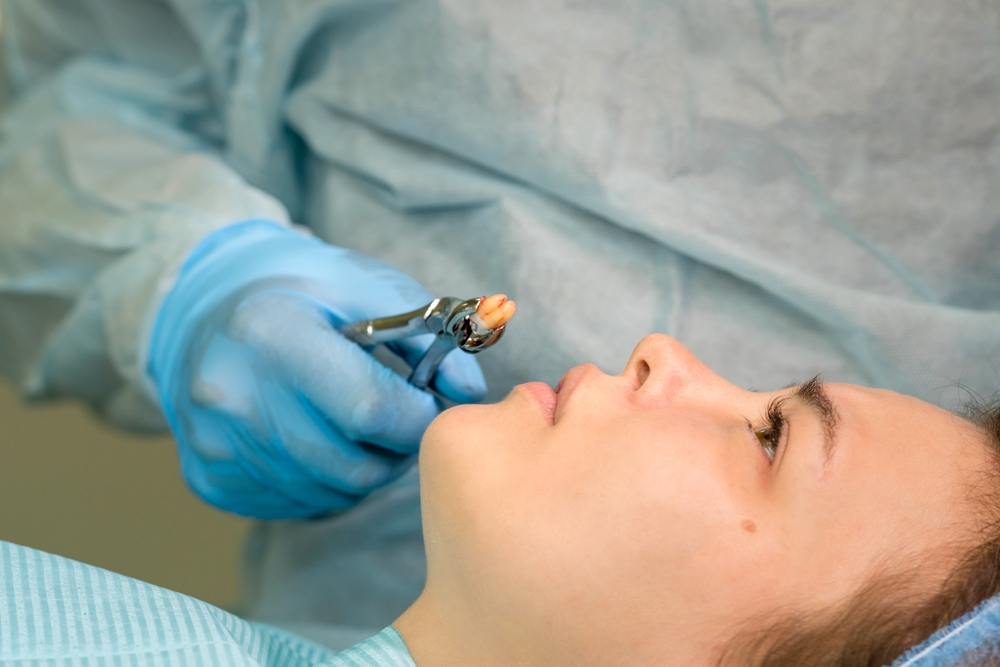
Dental extractions are a common procedure, but not all extractions are straightforward. For residents of Southwest, Florida, understanding when a simple pull is insufficient and a surgical extraction is required can help patients make informed decisions about their oral health. At Emergency Dentistry, our multiple providers emphasize the importance of recognizing complex dental situations where surgical intervention is necessary to prevent complications and protect overall oral health. Surgical extractions involve advanced techniques that address teeth that are impacted, broken, or otherwise difficult to remove using conventional methods.
What Are Surgical Extractions?
Surgical extractions are procedures used to remove teeth that cannot be easily accessed or removed through standard extraction methods. Unlike a routine extraction, which typically involves loosening a tooth and gently pulling it from the socket, surgical extractions require a more intricate approach. Dentists may need to make an incision in the gum tissue, remove bone around the tooth, or divide the tooth into sections for safe removal. These extractions are often necessary for impacted teeth, severely decayed teeth, or teeth that have fractured at the gum line.
Surgical extractions are performed under local anesthesia, and sometimes sedation is used to ensure patient comfort. The goal is to safely remove the tooth while minimizing trauma to surrounding tissue. These procedures require careful planning and expertise to avoid complications such as nerve damage or excessive bleeding. By understanding the purpose and process of surgical extractions, patients can appreciate the critical role these procedures play in preserving oral health.
When Surgical Extractions Are Needed
Several scenarios may necessitate a surgical extraction rather than a simple tooth pull. Impacted teeth, which are trapped beneath the gum or bone, are among the most common reasons for surgical intervention. Wisdom teeth often fall into this category because their development and alignment can make them difficult to extract without surgical techniques.
Other situations include broken or fractured teeth where the remaining portion of the tooth cannot be safely grasped with standard tools, or teeth with extensive decay that leaves them fragile and prone to crumbling during removal. Additionally, surgical extractions may be necessary for teeth affected by infection or abscesses, where careful removal is required to prevent the spread of bacteria and further complications. Recognizing these indicators helps patients understand the necessity of more advanced dental procedures in maintaining oral health.
The Surgical Extraction Procedure
The surgical extraction process is methodical and designed to minimize discomfort while ensuring complete removal of the affected tooth. After administering anesthesia, the dentist or oral surgeon makes a small incision in the gum to expose the tooth and surrounding bone if necessary. In some cases, the tooth may be divided into sections to facilitate extraction without causing undue trauma.
After the tooth is removed, the surgical site is cleaned, and any incisions are closed using sutures if needed. Patients may experience swelling, discomfort, or minor bleeding in the days following the procedure. Proper post-operative care is crucial to promote healing and prevent complications, including infection or delayed recovery. The complexity of surgical extractions highlights why these procedures are reserved for teeth that cannot be removed safely through conventional methods.
Recovery and Post-Operative Care
Recovery from a surgical extraction involves more attention than a simple pull. Patients are advised to follow specific guidelines to support healing and reduce discomfort. This includes managing swelling with ice packs, taking prescribed medications, maintaining oral hygiene without disturbing the surgical site, and eating soft foods that do not irritate the area.
Some practical post-operative tips include:
- Avoiding smoking or drinking through a straw, which can dislodge the blood clot and lead to dry socket
- Keeping the head elevated to minimize swelling and bleeding
- Rinsing gently with salt water after 24 hours to keep the area clean
- Monitoring for signs of infection, including excessive pain, swelling, or fever
Following these precautions ensures a smoother recovery and reduces the likelihood of complications. Patients should maintain communication with their dental care provider if any concerns arise during the healing process.
The Importance of Early Intervention
Surgical extractions are sometimes unavoidable, but early detection of dental issues can reduce the need for complex procedures. Teeth that are impacted, decayed, or fractured may become increasingly difficult to treat if problems are ignored. Regular dental exams and X-rays allow dentists to identify potential complications before they require surgical intervention.
By addressing dental issues proactively, patients can often prevent more extensive procedures and preserve overall oral health. Early intervention also reduces pain, lowers the risk of infection, and helps maintain proper alignment of surrounding teeth. Understanding the connection between timely care and the need for surgical extraction reinforces the importance of preventive oral health practices.
Conclusion
Surgical extractions are advanced dental procedures that address teeth that cannot be removed through simple methods. For residents of Southwest, Florida, understanding when and why these procedures are necessary provides valuable insight into maintaining oral health. At Emergency Dentistry, our multiple providers emphasize the importance of recognizing complex dental situations and taking proactive steps to protect teeth and gums. By understanding surgical extractions, patients can appreciate the role of professional dental care in preventing complications and supporting long-term oral health.
Resources:
McLaughlin, K. A., & Nolen-Hoeksema, S. (2011). Rumination as a Transdiagnostic Factor in Depression and Anxiety. Behavior Research and Therapy.
Petersen, P. E. (2003). The World Oral Health Report 2003: Continuous Improvement of Oral Health in the 21st Century. Community Dentistry and Oral Epidemiology.
Selwitz, R. H., Ismail, A. I., & Pitts, N. B. (2007). Dental Caries. The Lancet.


