
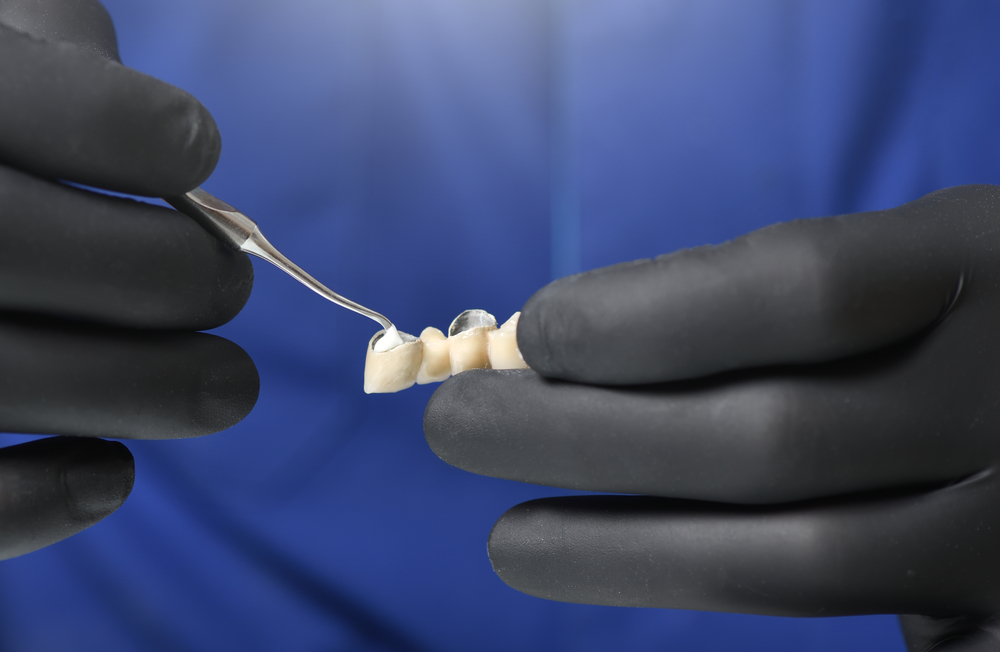
Tooth loss can have a significant impact on both appearance and oral health. At Emergency Dentistry in Southwest Florida, multiple providers encounter patients who have lost one or more teeth and are looking for solutions to restore their smile. One common method for addressing tooth loss is a dental bridge, a restoration that fills the gap left by missing teeth. Understanding how bridges work, their benefits, and how to care for them can help patients make informed decisions and maintain long-term oral health. While tooth loss can feel discouraging, learning about restorative options like dental bridges provides hope and practical solutions.
What Is a Dental Bridge?
A dental bridge is a fixed dental restoration designed to replace one or more missing teeth by anchoring an artificial tooth, or pontic, to adjacent natural teeth or implants. The bridge literally “bridges” the gap created by tooth loss, providing both functional and aesthetic benefits. There are several types of bridges, including traditional bridges, cantilever bridges, Maryland bridges, and implant-supported bridges, each with unique characteristics suited for different situations.
The main components of a dental bridge include the pontic, which replaces the missing tooth, and the abutment teeth, which serve as support for the restoration. Traditional bridges rely on crowns placed on the abutment teeth, while implant-supported bridges use dental implants to provide additional stability. This structure ensures that the bridge can withstand the pressure of daily chewing and maintain proper alignment of the surrounding teeth. Dental bridges are custom-made to match the shape, size, and color of natural teeth, helping restore the appearance of a complete smile.
Beyond aesthetics, bridges play a crucial role in maintaining oral function. They allow for normal chewing and speaking patterns, prevent adjacent teeth from shifting into the empty space, and help maintain the overall structure of the jaw. Without a bridge, gaps from missing teeth can cause bite problems, uneven wear on remaining teeth, and increased risk of gum disease. Understanding the components and purposes of dental bridges is key to appreciating their role in oral rehabilitation.
Signs You Might Benefit From a Bridge
Knowing when a dental bridge may be necessary involves understanding the consequences of tooth loss. Patients who have experienced the loss of one or more teeth may notice difficulty chewing, changes in speech, or a noticeable gap in their smile. Adjacent teeth may begin to shift toward the empty space, leading to misalignment and potential bite problems. Over time, these issues can contribute to discomfort, jaw pain, and even additional tooth loss if left unaddressed.
Other signs that a dental bridge might be appropriate include uneven wear on remaining teeth and changes in facial structure. Missing teeth can lead to sagging cheeks or alterations in the jawline, affecting overall facial aesthetics. Individuals may also experience changes in the way their tongue rests in the mouth or how their lips meet when smiling or speaking. These subtle but significant changes highlight the importance of restoring missing teeth to maintain both oral health and facial symmetry.
Patients with gaps from missing teeth should also consider the impact on oral hygiene. Open spaces can accumulate food particles and bacteria, increasing the risk of cavities and gum disease in surrounding teeth. Evaluating these factors and understanding the potential consequences of untreated tooth loss can help patients determine whether a dental bridge is an appropriate restorative option.
Types of Dental Bridges
Dental bridges are available in several forms, each suited for different dental needs and situations. The most common type is the traditional bridge, which uses crowns on adjacent teeth to support one or more pontics. This type is widely used due to its reliability and ability to restore both function and aesthetics effectively.
Cantilever bridges are another option, typically used when there is only one adjacent tooth available to support the pontic. While less common, cantilever bridges can be an effective solution for certain situations where traditional anchoring is not feasible. Maryland bridges involve a metal or porcelain framework bonded to the back of adjacent teeth, offering a minimally invasive approach that preserves natural tooth structure. Implant-supported bridges use dental implants to anchor the restoration, providing superior stability and longevity, particularly in cases where multiple teeth are missing.
Choosing the right type of bridge depends on factors such as the location of the missing teeth, the condition of surrounding teeth, oral hygiene habits, and overall dental health. Consulting with a dental professional allows for a comprehensive evaluation to determine the most appropriate solution. Each type of bridge offers distinct benefits and considerations, emphasizing the importance of individualized treatment planning.
Benefits of Dental Bridges
Dental bridges provide both functional and aesthetic advantages for individuals with missing teeth. One of the most immediate benefits is the restoration of a complete smile, which can enhance confidence and improve social interactions. Bridges also allow for normal chewing and speaking patterns, reducing strain on remaining teeth and minimizing the risk of bite problems.
In addition to these functional benefits, dental bridges help preserve the integrity of surrounding teeth. By preventing adjacent teeth from shifting into empty spaces, bridges maintain proper alignment and reduce the likelihood of uneven wear. Bridges can also support the structure of the jaw and facial muscles, preventing the sunken appearance that can result from missing teeth. Over time, this helps maintain both oral health and overall facial aesthetics.
Other advantages include the ease of care compared to removable restorations. Bridges are fixed in place, eliminating the need for daily removal and special cleaning routines associated with dentures. With proper oral hygiene, including brushing, flossing, and regular dental checkups, bridges can last many years while supporting a healthy, functional, and attractive smile.
Caring for Your Dental Bridge
Proper care is essential for maintaining the longevity of a dental bridge. Brushing twice daily with a soft-bristled toothbrush and fluoride toothpaste helps remove plaque and prevent decay around the abutment teeth. Flossing is also critical, especially around the bridge and underneath the pontic, to remove trapped food particles and reduce the risk of gum disease.
Patients can use specialized floss or interdental brushes designed to clean beneath the bridge. Regular dental checkups are important to monitor the condition of both the bridge and the supporting teeth. Professional cleanings and examinations help identify early signs of wear, damage, or gum issues, ensuring timely intervention when necessary.
In addition to routine oral hygiene, patients should avoid habits that could damage the bridge, such as chewing on hard objects, using teeth as tools, or consuming excessively sticky or hard foods. Maintaining a balanced diet and staying mindful of overall oral health habits contributes to the long-term success of a dental bridge, helping preserve both function and appearance.
Conclusion
Dental bridges play a vital role in restoring smiles and supporting oral health after tooth loss. They provide functional benefits by allowing normal chewing and speaking, prevent shifting of adjacent teeth, and maintain facial structure. Understanding the types of bridges, their advantages, and proper care routines can help patients make informed decisions and preserve their oral health. At Emergency Dentistry in Southwest Florida, multiple providers emphasize the importance of recognizing the consequences of tooth loss and exploring restorative options such as dental bridges. Awareness, education, and consistent care are key to achieving a lasting, healthy smile.
Resources
McLaughlin, K. A., & Nolen-Hoeksema, S. (2011). Rumination as a Transdiagnostic Factor in Depression and Anxiety. Behavior Researcher and Therapy.
American Dental Association. (2019). Tooth Loss and Restorative Options.
Pjetursson, B. E., et al. (2007). A systematic review of the survival and complication rates of fixed partial dentures (FPDs) after an observation period of at least 5 years. Clinical Oral Implants Research.


