
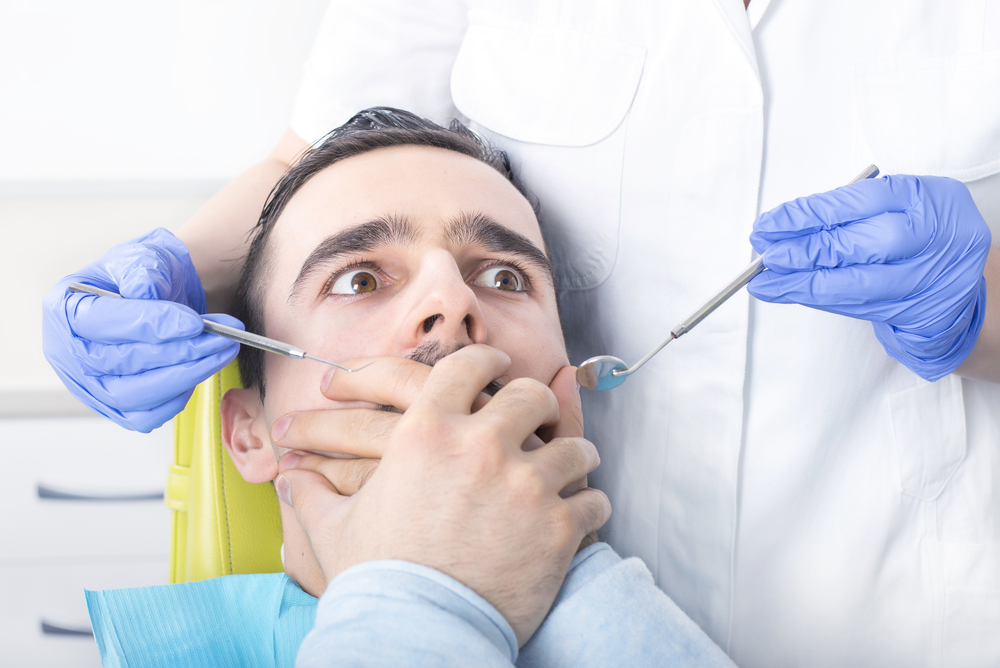
At Emergency Dentistry in Southwest Florida, dental trauma is one of the most urgent situations we encounter. Accidents can happen at any time, from sports injuries and car accidents to slips and falls, leaving patients unsure of what to do. Prompt, proper action in the minutes and hours following a dental injury can make a significant difference in preserving teeth and minimizing long-term damage. Understanding the types of dental trauma and how to respond immediately is critical for both adults and children.
Dental trauma encompasses a wide range of injuries, from chipped or fractured teeth to completely knocked-out teeth or damage to the supporting structures like gums and bone. The severity of the injury dictates the urgency and the type of care required. Even injuries that seem minor, such as a small chip or slight loosening, can have hidden consequences if left untreated. Knowledge of immediate steps allows patients and caregivers to act confidently and prevent avoidable complications.
Immediate care is often the difference between saving a tooth and requiring more extensive restorative procedures. Emergency Dentistry emphasizes that preparation and awareness are key elements in managing dental trauma effectively. By learning how to respond, patients in Southwest Florida can reduce pain, prevent infection, and increase the likelihood of preserving natural teeth.
Common Types of Dental Trauma
Dental trauma can manifest in various ways, each requiring specific attention. One of the most common injuries is a chipped or fractured tooth, which can occur from direct impact during a fall, sports injury, or biting down on a hard object. Fractures may range from minor enamel chips to more serious breaks that expose the inner pulp, leading to pain and sensitivity.
Another frequent type of injury is tooth displacement. This includes teeth that are loosened, pushed out of their normal alignment, or partially dislodged. Displaced teeth often cause significant discomfort and can affect the surrounding teeth, gums, and bone. In severe cases, a tooth may be completely avulsed, meaning it has been knocked out entirely. Immediate intervention is critical for reimplantation and long-term success.
In addition to tooth-specific injuries, dental trauma can also affect the soft tissues of the mouth, such as gums, lips, and tongue. Lacerations and cuts can lead to bleeding, swelling, and potential infection if not managed correctly. Recognizing the type and severity of trauma allows patients to take the most appropriate steps in the crucial first moments following an accident.
Immediate Steps to Take After an Accident
Taking quick, effective action following dental trauma can significantly influence outcomes. The first step is to remain calm and assess the situation carefully. Controlling bleeding is crucial, and gentle pressure with a clean cloth or gauze can help stop excessive bleeding from gums or soft tissue injuries. Cold compresses applied to the outside of the mouth or cheek can reduce swelling and provide pain relief.
For chipped or fractured teeth, saving any fragments and rinsing the mouth with warm water can help preserve pieces for potential reattachment. Avoid attempting to remove deeply embedded pieces yourself, as this can cause further damage. For loosened teeth, it is important not to try to push them back into place, as improper handling can cause irreparable damage.
In the case of a completely knocked-out tooth, immediate action is essential. If the tooth is a permanent tooth, gently rinse it with water without scrubbing and try to reinsert it into the socket if possible. If reinsertion is not feasible, the tooth should be stored in a suitable medium such as milk, saline solution, or the patient’s saliva. Quick action within 30 minutes to an hour greatly improves the chances of successful reimplantation.
Helpful immediate steps include:
- Rinse the mouth gently with warm water
- Control bleeding with gauze or a clean cloth
- Apply cold compresses to reduce swelling
- Preserve any broken tooth fragments
- Store an avulsed tooth in milk or saliva if reinsertion is not possible
Prompt response in these early moments can drastically improve outcomes and reduce the need for more invasive procedures later.
Pain Management and First Aid at Home
Managing pain and swelling at home is an important part of early care following dental trauma. Over-the-counter pain relievers such as acetaminophen or ibuprofen can help alleviate discomfort, though care should be taken to follow dosage instructions and avoid placing medication directly on exposed tissue. Cold compresses can be applied for 10-20 minute intervals to minimize swelling and bruising.
Maintaining proper oral hygiene is also essential to prevent infection in injured areas. Rinsing gently with warm salt water can help keep wounds clean without irritating sensitive tissues. Patients should avoid hard, crunchy, or sticky foods that could aggravate the injury. Soft foods such as yogurt, mashed potatoes, and scrambled eggs are recommended until the area heals.
For children or individuals prone to anxiety after an accident, reassurance and calm handling can reduce stress, which in turn helps the body focus on healing. Minimizing physical activity and allowing rest supports recovery and reduces the risk of additional injury. Awareness of proper home care complements professional treatment, ensuring better overall outcomes.
When to Seek Professional Care
Even if injuries appear minor, professional evaluation is essential following dental trauma. Complications such as pulp damage, infection, or bone fractures may not be immediately visible but can have serious long-term effects if untreated. Emergency Dentistry stresses that early intervention by a dental professional in Southwest Florida can prevent permanent damage and preserve natural teeth whenever possible.
Patients should seek urgent care if there is severe pain, persistent bleeding, swelling, or if a tooth has been completely knocked out. Additionally, injuries involving multiple teeth, visible fractures of the jawbone, or damage to soft tissues require immediate professional assessment. Timely evaluation ensures proper stabilization, pain management, and treatment planning for optimal recovery.
Follow-up care may include X-rays to assess internal damage, splinting of loose teeth, or treatments to address fractures and pulp exposure. Monitoring recovery over subsequent days is important to detect any delayed complications. Professional care, combined with prompt at-home steps, maximizes the chances of successful outcomes and minimizes long-term consequences.
The Importance of Immediate Action in Southwest Florida
Dental trauma can be frightening, but knowing the immediate steps to take after an accident can make a significant difference in preserving teeth and oral health. Whether the injury involves a chipped tooth, a displaced tooth, or a complete avulsion, prompt, careful action is essential. Emergency Dentistry emphasizes that early intervention, pain management, and proper home care work together to reduce complications and support recovery in Southwest Florida.
Being informed and prepared empowers patients to respond calmly and effectively, ensuring the best possible outcomes after dental trauma. Quick action combined with professional evaluation increases the likelihood of preserving natural teeth, preventing infection, and minimizing long-term complications. Knowledge, preparation, and awareness are key to navigating the aftermath of a dental accident successfully.
Resources:
McLaughlin, K. A., & Nolen-Hoeksema, S. (2011). Rumination as a Transdiagnostic Factor in Depression and Anxiety. Behavior Researcher and Therapy.
Andersson, L. (2013). Epidemiology of Traumatic Dental Injuries. Dental Traumatology.
Glendor, U. (2009). Epidemiology of Traumatic Dental Injuries – A 12 Year Review. Dental Traumatology.


