
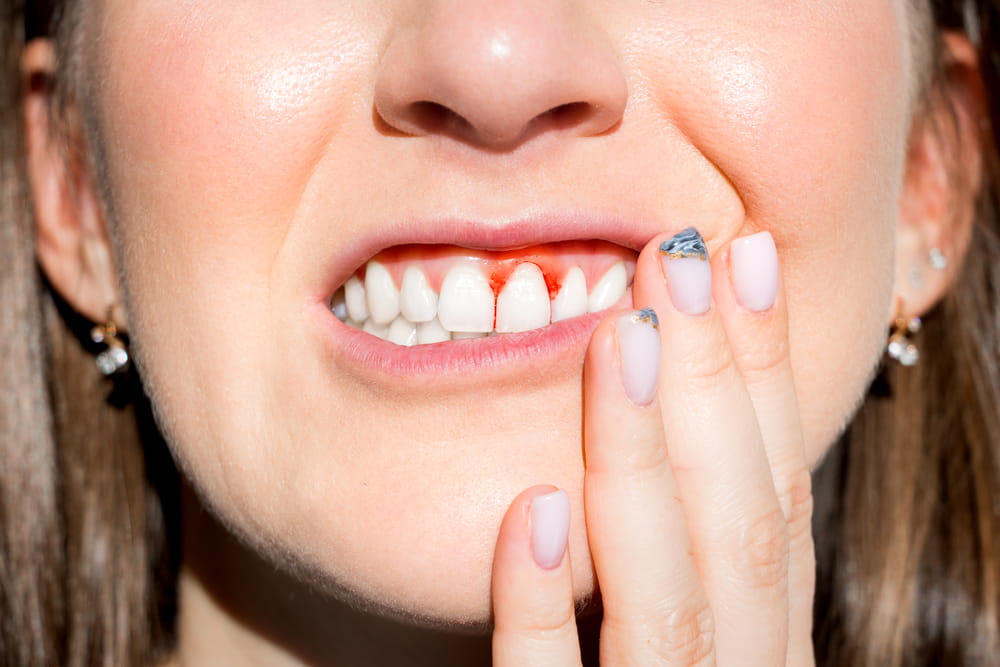
A dental injury can happen suddenly during a fall, sports activity, car accident, or even while eating something hard. Seeing blood in your mouth can be alarming, but knowing how to respond quickly can reduce complications and protect your oral health. Emergency Dentistry in Southwest, Florida frequently addresses urgent dental trauma, and understanding how to control bleeding after an injury can help you stay calm and take the right steps before receiving professional care.
Understanding Why Dental Injuries Bleed
The mouth contains a rich network of blood vessels, which is why even minor injuries can produce significant bleeding. When a tooth is chipped, knocked out, or loosened, the surrounding gum tissue and supporting structures may also be damaged. Cuts to the lips, cheeks, tongue, or gums often bleed heavily because of this strong blood supply.
Bleeding may come from soft tissues, the gumline around a tooth, or the socket if a tooth has been dislodged. In some cases, trauma can also expose the inner pulp of the tooth, leading to both bleeding and intense pain. While many injuries can be managed temporarily at home, persistent or heavy bleeding requires urgent evaluation to rule out deeper damage.
Immediate Steps to Control Bleeding
Apply Direct Pressure
The most effective first step is to apply firm, steady pressure to the bleeding area. Use a clean piece of gauze or a soft cloth. Place it directly over the wound and bite down gently if possible. Maintain pressure for at least 10 to 15 minutes without repeatedly checking the area, as this can disrupt clot formation.
If gauze is not available, a clean cloth or even a damp tea bag may help. Tea contains tannins, which can assist with clotting. Remaining calm and seated upright can also reduce blood flow and help control bleeding more effectively.
Use a Cold Compress
Applying a cold compress to the outside of the cheek near the injured area can reduce swelling and slow bleeding. Cold temperatures cause blood vessels to constrict, which may help decrease blood flow. Wrap ice in a cloth to protect the skin and apply it in short intervals of 10 to 15 minutes.
Cold therapy also helps manage discomfort following trauma. While this is not a substitute for professional treatment, it can provide temporary relief and reduce inflammation until a dental provider evaluates the injury.
Managing a Knocked-Out or Dislodged Tooth
If a tooth is completely knocked out, bleeding from the socket is common. After applying gentle pressure with gauze, attempt to locate the tooth. Handle it by the crown, not the root, and gently rinse it with water if dirty. If possible, place it back into the socket without forcing it. If reinsertion is not feasible, store the tooth in milk or saliva and seek immediate care.
For partially dislodged teeth, avoid touching or repositioning them yourself. Apply gentle pressure to control bleeding and contact a dental professional as soon as possible. Trauma-related injuries often require prompt assessment to determine whether stabilization, splinting, or further treatment is necessary.
When Bleeding Indicates a Serious Problem
While minor bleeding may stop within 20 minutes of steady pressure, certain signs indicate the need for urgent care. Seek immediate evaluation if:
- Bleeding continues beyond 20 to 30 minutes despite firm pressure
- Swelling spreads rapidly to the face or neck
- There is difficulty breathing or swallowing
- A deep cut may require stitches
- You suspect a jaw fracture
Infections and abscesses can also cause swelling and bleeding, particularly if trauma has exposed vulnerable tissues. Managing infections, swollen jaws, and trauma-related complications quickly reduces the risk of more severe health issues.
Professional Treatment After a Dental Injury
Once you arrive for evaluation, the dental team will examine the injured area and may take digital X-rays to assess underlying damage. Treatment depends on the severity of the injury. Broken teeth may be restored, while severely damaged teeth may require extraction. If the inner pulp is affected, root canal therapy might be necessary to preserve the remaining structure.
Pain relief is a priority during emergency care. Local anesthesia may be used to ensure comfort during examination and treatment. In some cases, prescriptions for antibiotics are provided if infection risk is present. If a tooth cannot be saved, options such as same-day crowns, dentures, or implants may be discussed later as part of a long-term restoration plan.
Caring for Soft Tissue Injuries
Cuts to the lips, cheeks, or tongue often heal well with proper care. After bleeding is controlled, rinse gently with warm salt water to keep the area clean. Avoid spicy, acidic, or crunchy foods that could irritate the wound. Maintaining oral hygiene while being careful around the injured area supports healing and reduces infection risk.
If stitches are required, follow all aftercare instructions carefully. Watch for signs of infection such as increased redness, pus, fever, or worsening pain. Prompt attention to these symptoms can prevent complications and promote faster recovery.
Preventing Future Dental Injuries
Although not all accidents are preventable, certain precautions can reduce the likelihood of dental trauma. Wearing a properly fitted mouthguard during sports significantly lowers the risk of tooth fractures and displacement. Avoid using teeth to open packages or bite hard objects like ice. Regular dental visits can also identify weakened teeth that may be more vulnerable to injury.
Understanding how to control bleeding after a dental injury can make a critical difference in the outcome. Quick action, steady pressure, and prompt professional evaluation protect both your oral health and overall well-being. Emergency Dentistry in Southwest, Florida serves individuals facing urgent dental trauma, and knowing these first-aid steps empowers you to respond confidently in an emergency situation.
Sources
American Dental Association. (2023). Dental Emergencies. MouthHealthy.org.
Mayo Clinic Staff. (2022). First aid: Broken tooth. Mayo Clinic.
Centers for Disease Control and Prevention. (2023). Oral Health Basics. CDC.gov.


