
The internet has made it easier than ever to find tutorials and quick-fix solutions for almost any problem, including dental issues. From online repair kits to social media videos demonstrating temporary fixes for broken teeth, crowns, dentures, and fillings, many people are tempted to handle dental problems on their own. While these solutions may appear convenient and cost-effective, they often create more harm than good.
At Emergency Dentistry, patients throughout Southwest Florida frequently seek information after attempting a home repair that did not resolve their dental issue or made the problem worse. Unlike many household repairs, dental problems involve living tissues, nerves, blood vessels, and bone. Attempting to diagnose or repair these issues without proper training can lead to pain, infection, permanent damage, and more complex treatment needs.
Most dental emergencies require professional evaluation because the visible problem is often only part of the issue. A chipped tooth, loose crown, or painful toothache may have underlying causes that cannot be identified through a mirror or online video. Understanding the risks of DIY dental repairs can help patients make safer decisions when emergencies occur.
Common DIY Dental Repairs People Attempt
Using Store-Bought Repair Kits
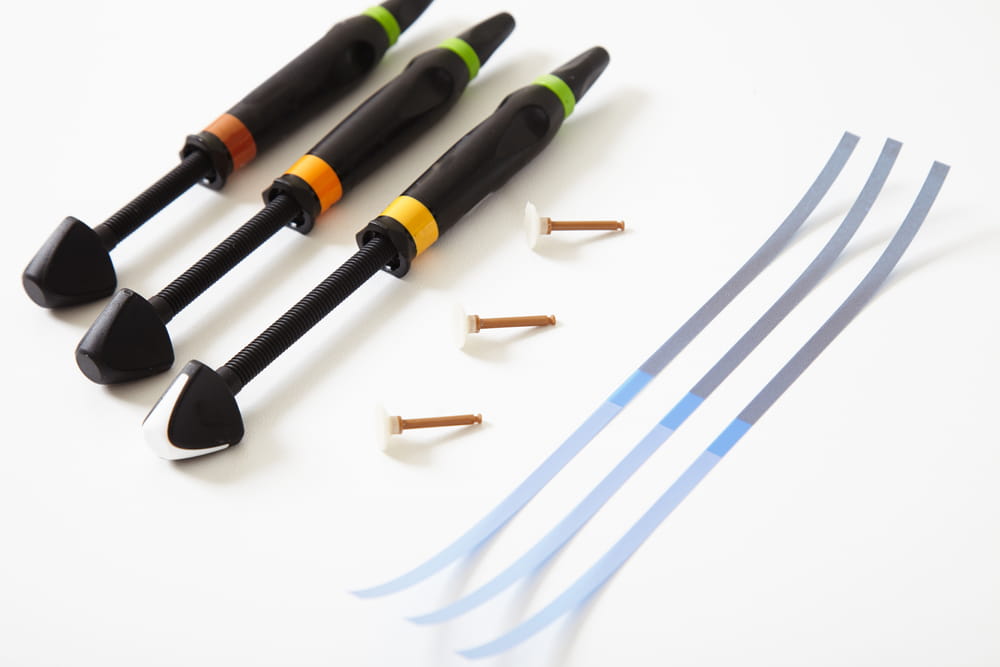
Many pharmacies and online retailers sell temporary dental repair products marketed as solutions for lost fillings, loose crowns, chipped teeth, or broken dentures. While some of these products are intended only as short-term measures until professional treatment is available, patients sometimes mistakenly view them as permanent solutions.
These kits may provide temporary relief, but they do not address the underlying cause of the problem. For example, a lost filling often indicates decay, damage, or structural weakness within the tooth. Covering the area without addressing the source can allow the condition to worsen beneath the temporary material.
Similarly, using adhesives or repair compounds incorrectly may trap bacteria, irritate surrounding tissues, or make future treatment more difficult for dental professionals.
Household Adhesives and Improvised Materials
One of the most dangerous DIY approaches involves using products that were never intended for oral use. Some individuals attempt to repair crowns, dentures, or broken teeth using household glue, super glue, craft adhesives, or hardware products.
These materials are not biocompatible and may contain chemicals that irritate oral tissues or create toxic exposure risks. In addition, improper adhesives can damage dental restorations and make professional repairs more challenging.
Patients experiencing issues with broken dentures or partials should avoid using household products and seek appropriate evaluation instead.
The Risks of Misdiagnosing Dental Problems
Treating Symptoms Instead of Causes
One of the biggest dangers of DIY dental care is the inability to accurately diagnose the problem. Dental pain can result from a variety of conditions, including decay, infection, fractures, gum disease, impacted teeth, or trauma. Two conditions may produce similar symptoms while requiring very different treatments.
For example, a severe toothache may appear to be caused by a cavity, but the actual problem could involve a cracked tooth, abscess, or gum infection. Applying temporary products without understanding the underlying cause may delay appropriate treatment and allow the condition to progress.
Many dental emergencies become more complicated because patients initially attempted self-treatment rather than seeking professional care.
Missing Hidden Damage
Dental injuries are not always visible. A tooth may appear intact while harboring cracks below the surface or damage extending into the root. Similarly, pain from a seemingly minor issue may indicate deeper infection within the tooth.
Without diagnostic tools such as dental examinations and imaging, it is impossible to fully assess many dental conditions. Attempting repairs based solely on visible symptoms may result in incomplete treatment and ongoing damage.
DIY Repairs Can Increase the Risk of Infection
Creating Pathways for Bacteria
Improper dental repairs can expose sensitive tissues to bacteria or create environments where bacteria thrive. Temporary materials applied incorrectly may leave gaps that allow microorganisms to enter deeper portions of the tooth.
Once bacteria reach the pulp or surrounding tissues, infection can develop. In some cases, infections may spread beyond the tooth and affect nearby gums, bone, jaw structures, or facial tissues.
Patients experiencing swelling, drainage, or signs of infection should seek prompt care for conditions involving abscesses, infections, and swollen jaws.
Delayed Treatment and Progression
A temporary DIY repair can sometimes create a false sense of security. Because symptoms may temporarily improve, patients may postpone seeking professional treatment. Unfortunately, the underlying problem often continues progressing beneath the surface.
A cavity may continue growing, an infection may spread, or structural damage may worsen while symptoms remain partially masked. By the time professional care is sought, treatment may be more extensive than it would have been initially.
The Risks of Repairing Broken Teeth at Home
Structural Damage Can Worsen
A chipped or fractured tooth may seem like a straightforward problem, but improper handling can increase damage. Filing rough edges, applying pressure, or using inappropriate materials can weaken remaining tooth structure.
Even small fractures may extend deeper into the tooth than they appear. Attempting repairs without understanding the extent of damage may cause additional cracking or compromise the tooth’s stability.
Professional evaluation of broken teeth helps determine whether damage involves enamel, dentin, pulp, or supporting structures.
Pain and Sensitivity May Increase
Many home repair attempts unintentionally expose sensitive areas of the tooth. This can lead to worsening discomfort when eating, drinking, or speaking.
Additionally, materials not designed for dental use may irritate surrounding tissues and contribute to inflammation. What began as a minor repair often becomes a larger source of pain and frustration.
Situations That Require Professional Care
Dental Problems That Should Never Be Self-Treated
Certain dental emergencies should always be evaluated by a dental professional rather than managed at home. These include:
- Severe tooth pain
- Facial swelling
- Loose or knocked-out teeth
- Dental abscesses
- Significant tooth fractures
- Bleeding that does not stop
- Trauma involving the mouth or jaw
- Broken crowns exposing tooth structure
- Severe gum infections
- Difficulty chewing or opening the mouth
These conditions may involve complications that cannot be safely addressed without professional diagnosis and treatment.
Appropriate Temporary Measures
While professional care is essential, certain temporary steps may help reduce discomfort until treatment is available. These may include gently rinsing with warm salt water, keeping the area clean, avoiding hard foods, and using over-the-counter pain relievers as directed.
However, temporary relief should never replace professional evaluation, particularly when symptoms are severe or worsening.
Why Professional Treatment Protects Long-Term Oral Health
Dental professionals use specialized training, diagnostic technology, and evidence-based treatment methods to identify the true source of oral health problems. Rather than simply covering symptoms, professional care addresses underlying causes and helps prevent future complications.
Whether treatment involves root canals, all extractions, emergency gum treatment, or restorative procedures, proper care is designed to preserve oral health and minimize long-term risks.
Professional treatment also ensures that repairs are durable, safe, and tailored to the specific condition affecting the patient.
Knowing When to Skip the DIY Approach
Dental emergencies can be stressful, and the desire for a quick solution is understandable. However, attempting to repair dental problems at home often creates additional complications that may increase pain, treatment complexity, and overall costs. While temporary measures may provide short-term relief, they rarely address the true cause of the problem.
At Emergency Dentistry, educating patients throughout Southwest Florida about the risks of DIY dental repairs is an important part of promoting better oral health outcomes. Understanding when professional care is needed can help protect teeth, prevent complications, and ensure that dental emergencies are managed safely and effectively.
Resources
American Dental Association. (2024). Dental Emergencies: What to Do and When to Seek Care.
Cochrane, N. J., & Reynolds, E. C. (2012). Calcium Phosphates as Remineralizing Agents for Enamel Caries. Community Dentistry and Oral Epidemiology.
Mayo Clinic Staff. (2024). Tooth Decay and Dental Health: Prevention and Treatment. Mayo Clinic.


