
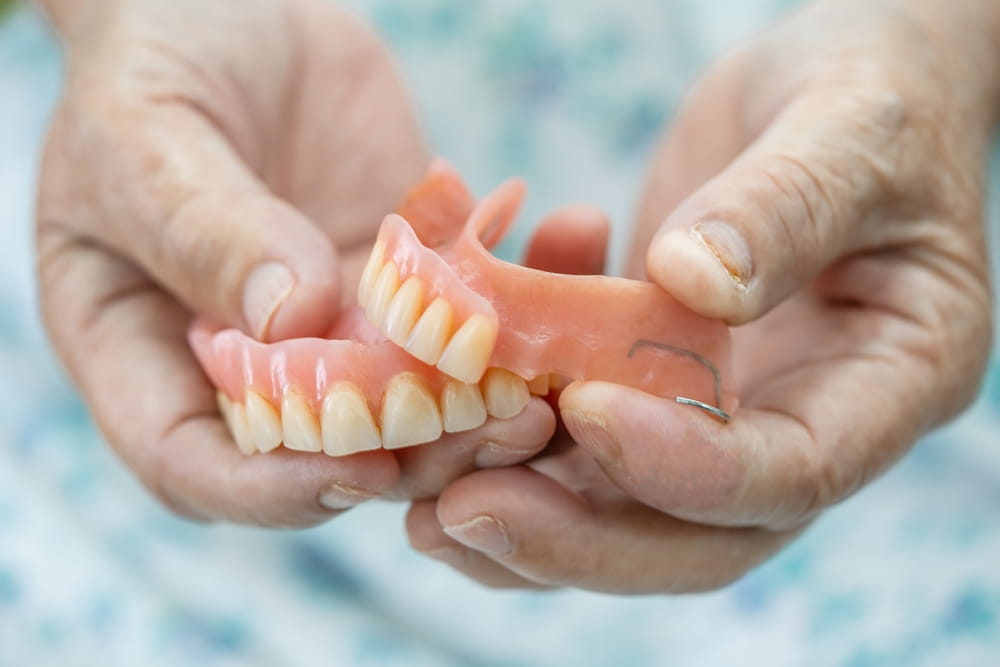
A broken denture can be more than just an inconvenience. For many people, dentures are essential for eating, speaking clearly, and maintaining confidence in daily interactions. When a denture cracks, breaks, or no longer fits properly, it can disrupt everyday life and potentially lead to discomfort or oral health complications. For patients in Southwest Florida seeking guidance from Emergency Dentistry, understanding how to manage a broken denture before receiving professional care can help minimize damage and protect oral health.
Dentures are designed to withstand regular use, but they are not indestructible. Accidental drops, normal wear and tear, changes in the shape of the jawbone, or biting down on hard foods can all contribute to denture damage. While professional repair is often necessary, there are several important steps patients can take to safely manage the situation until treatment is available.
Understanding Why Dentures Break
Dentures are exposed to daily stress from chewing, speaking, cleaning, and handling. Over time, these forces can weaken the acrylic base, artificial teeth, or metal framework. Even well-maintained dentures can eventually develop cracks or fractures due to years of use.
In many cases, dentures break because they are accidentally dropped during cleaning. Bathroom sinks, tile floors, and hard countertops are common locations where damage occurs. Additionally, dentures that no longer fit properly may experience uneven pressure during chewing, increasing the risk of cracks and fractures.
Changes in the mouth can also contribute to denture problems. The jawbone naturally changes shape over time after tooth loss, which can affect denture stability. As the fit becomes less secure, the appliance may flex more during use, creating stress points that eventually lead to breakage.
Common Types of Denture Damage
Not all denture damage is the same. Understanding the type of problem can help patients determine how urgently professional care is needed.
Some of the most common denture issues include:
- Small cracks in the denture base
- Complete fractures through the denture
- Broken or chipped artificial teeth
- Bent or damaged metal clasps
- Loose teeth within the denture
- Warped denture material
- Dentures that suddenly no longer fit properly
Even minor damage should not be ignored. Small cracks can quickly worsen with continued use, leading to larger fractures and more extensive repairs.
What to Do Immediately After a Denture Breaks
The first step is to carefully inspect the denture and determine the extent of the damage. If multiple pieces are involved, gather all fragments and store them in a clean container. Dentists and dental laboratories can often use these pieces during the repair process.
Avoid attempting to wear a severely damaged denture. Broken edges may irritate the gums, tongue, cheeks, or other soft tissues. Continuing to use a fractured appliance can also cause additional breakage and make repairs more difficult.
If the denture has broken while eating, remove any remaining fragments from the mouth and rinse gently with water. This helps ensure that no loose pieces remain that could cause irritation or be accidentally swallowed.
Why DIY Denture Repairs Can Create Bigger Problems
Many over-the-counter repair kits claim to provide quick solutions for broken dentures. While these products may seem convenient, they often create more problems than they solve.
Household glues, super glue, epoxy products, and non-dental adhesives should never be used on dentures. These materials are not designed for oral use and may contain chemicals that can irritate oral tissues or pose health risks if ingested. In addition, these adhesives can alter the shape of the denture and make professional repair more challenging.
Even commercially available denture repair kits may not restore proper fit or function. A poorly repaired denture can place uneven pressure on the gums and jaw, leading to soreness, instability, and additional fractures. Professional repair remains the safest and most reliable option.
Managing Daily Activities While Waiting for Treatment
Eating Safely
A broken denture can make eating difficult, but certain adjustments can help reduce discomfort and prevent further damage. Soft foods are often the best choice until repairs are completed. Foods such as yogurt, scrambled eggs, mashed potatoes, soups, and smoothies require minimal chewing and are less likely to cause irritation.
Avoid hard, sticky, crunchy, or chewy foods. These foods can place excessive pressure on damaged dentures and may worsen existing fractures. If part of the denture remains wearable, chewing should be done carefully and evenly.
Speaking and Social Situations
Speech may be affected when dentures are damaged or removed. Some patients find it helpful to practice speaking slowly and clearly while waiting for treatment. Although temporary changes in speech can be frustrating, avoiding the use of a damaged denture is generally safer than forcing it into place.
Many patients worry about social interactions during this time. Remember that broken dentures are a common dental issue, and seeking prompt professional care is the best approach to restoring comfort and confidence.
When a Broken Denture Becomes a Dental Emergency
While some denture issues can wait a short period for repair, certain situations may require urgent dental attention. Emergency care may be appropriate when a broken denture causes significant pain, bleeding, tissue injury, or interferes with essential daily functions.
Patients should seek prompt evaluation if they experience severe gum irritation, swelling, ulcers caused by sharp denture edges, or difficulty eating adequate nutrition. In some cases, broken dentures may expose underlying dental implants or create pressure points that damage oral tissues.
Individuals who rely on dentures for essential speaking or professional responsibilities may also benefit from urgent care options such as same-day crowns and dentures when available.
Professional Repair and Replacement Options
The appropriate treatment depends on the extent of the damage. Minor cracks may be repaired by a dental laboratory, while more severe fractures may require reinforcement or replacement of the denture.
If the denture has become damaged because it no longer fits properly, a reline or adjustment may be recommended. In cases involving extensive wear, multiple repairs, or significant changes in oral anatomy, a completely new denture may provide a more stable and comfortable solution.
Patients who experience repeated denture problems may also wish to discuss long-term tooth replacement options such as dental implants, which can improve stability and reduce movement-related stress on prosthetic appliances.
Preventing Future Denture Breaks
Many denture fractures can be avoided with proper care and handling. Simple habits can significantly extend the lifespan of a denture and reduce the likelihood of emergency repairs.
When cleaning dentures, use a folded towel or partially filled sink to cushion accidental drops. Store dentures safely when not in use, and avoid exposing them to excessive heat that may warp the material. Routine dental visits also allow professionals to identify fit issues before they contribute to structural damage.
Patients should report any signs of looseness, discomfort, or visible cracks as soon as possible. Early intervention often prevents small problems from becoming major repairs.
Protecting Your Oral Health After a Denture Breaks
A broken denture can be stressful, but knowing how to respond can help prevent further complications. Avoiding DIY repairs, handling the appliance carefully, choosing soft foods, and seeking timely professional care are important steps in protecting both the denture and the oral tissues that support it.
For patients looking for educational information from Emergency Dentistry in Southwest Florida, understanding how to manage a broken denture can make a difficult situation more manageable. Prompt attention and professional repair can help restore normal function, comfort, and confidence while reducing the risk of additional oral health problems.
Resources
Felton, D. A. (2016). Edentulism and Comorbid Factors. Journal of Prosthodontics.
American College of Prosthodontists. (2024). Denture Care and Maintenance Guidelines.
Zarb, G. A., Bolender, C. L., Eckert, S. E., Jacob, R. F., Fenton, A. H., & Mericske-Stern, R. (2013). Prosthodontic Treatment for Edentulous Patients: Complete Dentures and Implant-Supported Prostheses. Mosby.


