
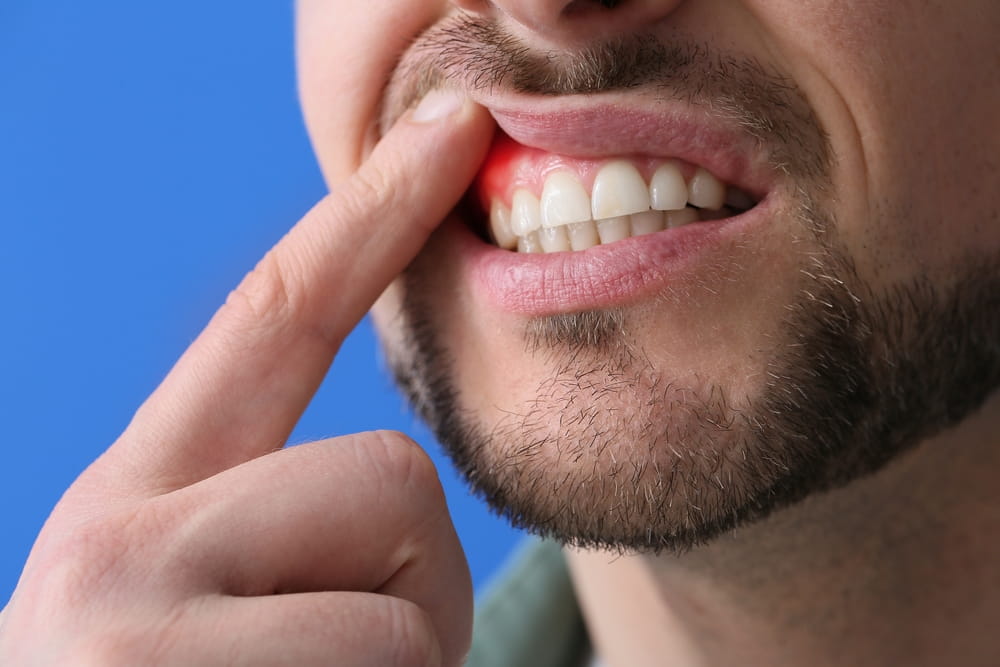
Gum injuries can occur unexpectedly and often cause significant discomfort, bleeding, and concern. While many people associate dental emergencies with tooth pain or broken teeth, injuries involving the gums can also require prompt attention. The gums play an important role in protecting teeth, supporting oral structures, and serving as a barrier against bacteria. When gum tissue is damaged, immediate care may be necessary to prevent infection, control bleeding, and promote proper healing. For patients in Southwest Florida seeking educational information from Emergency Dentistry, understanding how gum injuries are treated can help determine when professional evaluation is needed.
Gum injuries range from minor cuts and abrasions to severe lacerations, puncture wounds, and trauma involving the surrounding bone and teeth. Some injuries may heal on their own with basic first aid, while others require emergency dental treatment to minimize complications. Knowing how to respond immediately after an injury can make a significant difference in the recovery process.
Common Causes of Gum Injuries
The gums are surprisingly resilient, but they remain vulnerable to a variety of injuries. Everyday activities, sports accidents, falls, and trauma involving the mouth can all result in damage to gum tissue.
One common cause is accidental injury from hard or sharp foods. Tortilla chips, popcorn kernels, fish bones, and other sharp-edged foods can puncture or cut the gums. While these injuries are often minor, they can become painful and may increase the risk of infection if not properly cleaned.
More serious gum injuries frequently occur during sports activities, falls, automobile accidents, or direct blows to the face. These incidents may cause deep lacerations, torn tissue, or trauma that affects both the gums and underlying structures. Patients who experience facial injuries may require evaluation for broader dental trauma, including treatment for dental trauma when teeth and supporting tissues are involved.
Recognizing When a Gum Injury Is an Emergency
Not every gum injury requires immediate professional treatment, but certain symptoms indicate the need for prompt evaluation. Excessive bleeding, deep cuts, exposed roots, severe swelling, or signs of infection should never be ignored.
Minor injuries often stop bleeding within a short period after applying gentle pressure. However, persistent bleeding that continues for more than 10 to 15 minutes despite pressure may indicate a more serious injury. Deep wounds may require cleaning, suturing, or additional treatment to support proper healing.
Emergency evaluation is also recommended when gum injuries occur alongside loose teeth, fractured teeth, jaw injuries, or significant facial trauma. These situations often involve damage beyond the visible soft tissues and require a comprehensive assessment.
Immediate First Aid for Gum Injuries
Taking the right steps immediately after a gum injury can help reduce complications before professional care is available. The first priority is controlling bleeding and minimizing contamination of the wound.
Patients should gently rinse the mouth with clean water or a mild saltwater solution to remove debris. If bleeding is present, a clean piece of gauze or cloth can be applied directly to the injured area with firm but gentle pressure. Holding pressure continuously for several minutes often helps control minor bleeding.
Cold compresses applied to the outside of the face may help reduce swelling and discomfort. Ice should never be placed directly onto the injured gum tissue. Individuals should avoid touching the wound excessively, probing the area, or attempting to remove embedded objects without professional guidance.
Types of Gum Injuries That May Require Emergency Care
Gum Lacerations
Lacerations are cuts or tears in the gum tissue that vary in severity. Small lacerations may heal naturally, but deeper wounds can expose underlying structures and increase the risk of infection.
Dentists evaluate the depth, location, and extent of the injury to determine whether sutures are needed. Proper closure of deeper wounds helps promote healing and reduces the likelihood of complications.
Gum Avulsions
A gum avulsion occurs when a section of tissue is partially or completely torn away from its normal position. These injuries are often associated with significant trauma and may expose tooth roots or underlying bone.
Because tissue loss can affect both function and appearance, prompt treatment is often necessary to preserve healthy tissue and support proper healing.
Puncture Wounds
Sharp objects such as food particles, dental appliances, or accidental injuries can create puncture wounds in the gums. Although these injuries may appear small, they can introduce bacteria deep into the tissues and increase the risk of infection.
Professional evaluation helps ensure that no foreign material remains embedded in the wound and that the area is healing appropriately.
How Dentists Treat Gum Injuries
The specific treatment depends on the severity and nature of the injury. During the examination, the dentist assesses the extent of tissue damage, evaluates nearby teeth, and checks for signs of infection or underlying structural injuries.
Treatment often begins with thorough cleaning of the wound to remove debris and bacteria. This step is critical for reducing the risk of infection and supporting healthy tissue regeneration. If the injury is extensive, sutures may be placed to stabilize the tissue and encourage proper healing.
In some situations, dentists may prescribe medications to help manage discomfort or reduce infection risk. Patients experiencing significant pain may also benefit from supportive measures such as pain relief as part of their overall treatment plan.
The Risk of Infection After Gum Trauma
One of the primary concerns following a gum injury is infection. The mouth naturally contains large numbers of bacteria, and damaged tissue can provide an entry point for harmful microorganisms.
Signs of infection may include increasing pain, swelling, redness, pus drainage, fever, or a foul taste in the mouth. Patients who develop these symptoms should seek prompt care, as untreated infections can spread to surrounding tissues and become more serious.
In some cases, infection may progress to a dental abscess involving the gums or underlying structures. These situations may require treatment for abscesses, infections, or swollen jaws to prevent complications and restore oral health.
Healing and Recovery After a Gum Injury
Most minor gum injuries heal relatively quickly because the mouth has a rich blood supply that supports tissue repair. However, healing time depends on the size and severity of the injury.
Patients are often advised to maintain excellent oral hygiene while avoiding excessive irritation of the affected area. Gentle brushing, careful rinsing, and avoiding spicy, acidic, or hard foods can help support recovery.
Soft foods may be recommended during the initial healing period to reduce pressure on the injured tissues. Adequate hydration and proper nutrition also contribute to the body’s natural healing processes.
Preventing Future Gum Injuries
Although not all accidents can be prevented, many gum injuries are avoidable with appropriate precautions. Wearing mouthguards during sports activities significantly reduces the risk of oral trauma. Careful eating habits can also help prevent injuries from sharp foods.
Patients should avoid using their teeth as tools to open packages or bite non-food objects. Properly fitted dental restorations, dentures, and orthodontic appliances should be maintained to minimize irritation and accidental injury to the gums.
Routine dental visits allow professionals to identify factors that may increase the risk of trauma and provide recommendations for protecting oral tissues.
Prompt Care Can Protect Your Oral Health
Gum injuries may seem less serious than a broken tooth, but they can still lead to significant pain, bleeding, infection, and long-term complications if not managed appropriately. Understanding when a gum injury requires emergency attention and taking proper first-aid measures can help support a smoother recovery and reduce the risk of future problems.
For patients researching oral injuries through Emergency Dentistry in Southwest Florida, recognizing the importance of prompt treatment for gum trauma is an important step in protecting overall oral health. Early evaluation, proper wound care, and professional guidance can help ensure that injured tissues heal properly and that more serious complications are avoided.
Resources
Newman, M. G., Takei, H. H., Klokkevold, P. R., & Carranza, F. A. (2019). Carranza’s Clinical Periodontology. Elsevier.
American Academy of Periodontology. (2024). Gum Disease and Periodontal Health Resources.
Andreasen, J. O., Andreasen, F. M., & Andersson, L. (2018). Textbook and Color Atlas of Traumatic Injuries to the Teeth. Wiley-Blackwell.


