
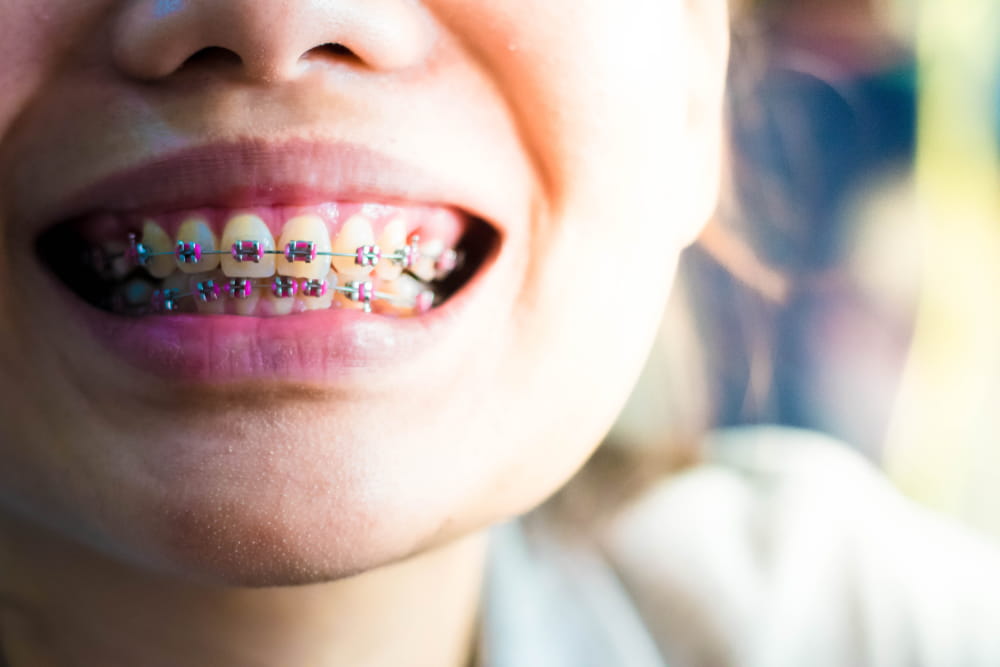
Orthodontic treatment helps straighten teeth, improve bite alignment, and support long-term oral health. While braces are designed to be safe and effective, occasional issues can arise throughout treatment. Most orthodontic concerns are minor inconveniences that can be managed at home until a scheduled appointment. However, some situations may require prompt professional attention to prevent discomfort, injury, or damage to the teeth and gums.
At Emergency Dentistry, providers often educate patients about recognizing the difference between a routine orthodontic issue and a true dental emergency. Understanding what can go wrong with braces and knowing how to respond can help patients protect their oral health and avoid unnecessary complications.
Braces consist of multiple components, including brackets, wires, bands, and elastic ties. Because these parts are constantly exposed to chewing forces and daily activities, they can occasionally become damaged or displaced. While orthodontic emergencies are less common than other dental emergencies, they can still occur and may require timely care.
Common Braces Problems That Are Not Usually Emergencies
Loose Brackets and Bands
One of the most common orthodontic issues involves a bracket or band becoming loose. This may occur after eating hard foods, experiencing minor trauma, or simply due to normal wear over time. While a loose bracket can be annoying and may interfere with treatment progress, it is generally not considered a dental emergency.
Patients should avoid pulling on the loose component and contact their orthodontic provider to schedule a repair. Orthodontic wax can often be used temporarily if the bracket is causing irritation to the cheeks or lips.
Mild Discomfort After Adjustments
It is normal to experience soreness after braces are tightened or adjusted. Teeth move gradually through the bone during treatment, and this process can create temporary pressure and tenderness.
Most adjustment-related discomfort resolves within a few days and can typically be managed with soft foods, cold drinks, and over-the-counter pain relievers when appropriate. Mild soreness does not usually indicate an emergency situation.
Small Wire Irritations
Sometimes orthodontic wires can shift slightly and rub against the inside of the cheeks, lips, or tongue. While this can be uncomfortable, it is generally manageable with orthodontic wax until a repair appointment can be scheduled.
Minor irritation is common during orthodontic treatment and typically does not require urgent dental intervention unless significant tissue injury develops.
When Braces Problems Become Dental Emergencies
Broken Wires Causing Injury
A broken orthodontic wire can sometimes protrude into the cheeks, gums, or tongue. Sharp wire ends may create cuts, bleeding, and considerable discomfort. In severe cases, the wire may become embedded in soft tissues.
If orthodontic wax does not adequately cover the sharp edge or if the injury is significant, prompt dental evaluation may be necessary. Continuing to ignore a protruding wire can lead to worsening irritation and an increased risk of infection.
Trauma to Teeth Wearing Braces
Athletes and active individuals who wear braces may face an increased risk of oral injury during sports or recreational activities. A direct blow to the mouth can damage both the teeth and orthodontic appliances simultaneously.
When trauma occurs, concerns may include:
- Broken or displaced teeth
- Bent orthodontic wires
- Detached brackets
- Lip and cheek lacerations
- Jaw injuries
- Significant bleeding
Any injury involving both braces and tooth damage should be evaluated promptly. Cases involving trauma or broken teeth may require emergency treatment to preserve oral health and prevent further complications.
Severe Pain or Swelling
Braces should not cause severe, persistent pain. While temporary soreness is expected after adjustments, intense pain accompanied by swelling may signal a different dental problem altogether.
Sometimes patients mistakenly assume braces are responsible for symptoms that actually stem from underlying issues such as:
- Tooth infections
- Dental abscesses
- Gum infections
- Impacted teeth
- Advanced tooth decay
Facial swelling, severe discomfort, or signs of infection should never be ignored. Conditions involving abscesses, infections, or swollen jaws may require urgent treatment.
Dental Emergencies That Can Occur During Orthodontic Treatment
Tooth Decay Around Brackets
Braces create additional surfaces where plaque and food particles can accumulate. If oral hygiene is not maintained carefully, tooth decay can develop around brackets and wires.
In some cases, untreated cavities may progress to severe toothaches, infections, or nerve involvement. A painful cavity during orthodontic treatment may eventually require procedures such as root canals if the damage becomes extensive.
Maintaining excellent brushing and flossing habits remains one of the most important ways to reduce emergency dental situations during orthodontic treatment.
Gum Problems
Inflamed or infected gums can become painful and may complicate orthodontic treatment. Braces can make cleaning more challenging, increasing the risk of gingivitis and periodontal disease when plaque is not removed effectively.
Signs of concerning gum problems may include persistent bleeding, swelling, tenderness, bad breath, or gum recession. More serious cases may require emergency gum treatment to address infection and prevent further damage.
Accidental Damage While Eating
Certain foods can increase the likelihood of orthodontic emergencies. Hard candies, popcorn kernels, ice, nuts, and sticky foods frequently contribute to broken brackets and bent wires.
Patients who consistently follow dietary recommendations often experience fewer treatment interruptions and lower risks of emergency visits. Avoiding high-risk foods helps protect both orthodontic appliances and natural teeth.
What to Do If a Braces Emergency Happens
Managing the Situation at Home
Many orthodontic issues can be temporarily managed until professional care is available. Orthodontic wax remains one of the most useful tools for covering sharp brackets or wires. Rinsing with warm salt water may help soothe irritated tissues, while soft foods can reduce discomfort during chewing.
Patients should never attempt to remove brackets, cut wires aggressively, or make significant appliance adjustments on their own. Improper handling may worsen the problem and increase the likelihood of injury.
Knowing When to Seek Immediate Care
Certain symptoms warrant prompt evaluation, including:
- Severe tooth pain
- Significant swelling
- Uncontrolled bleeding
- Knocked-out teeth
- Broken teeth
- Facial trauma
- Signs of infection
- Difficulty swallowing or breathing
These situations extend beyond routine orthodontic concerns and may represent true dental emergencies requiring immediate attention.
Preventing Braces-Related Emergencies
The best way to minimize orthodontic emergencies is through prevention. Following dietary guidelines, maintaining excellent oral hygiene, attending regular orthodontic appointments, and wearing a mouthguard during sports can significantly reduce risks.
Patients should also inspect their braces regularly for signs of damage and report concerns before they develop into larger problems. Early intervention often prevents minor issues from escalating into emergencies.
At Emergency Dentistry, patient education plays an important role in helping individuals understand how to manage unexpected dental situations. While braces themselves rarely cause true emergencies, complications involving damaged appliances, infections, trauma, or severe pain can occur. Knowing how to recognize these situations and respond appropriately helps patients stay on track with orthodontic treatment while protecting their overall oral health.
Resources
American Association of Orthodontists. (2024). Orthodontic Emergencies and What to Do.
Proffit, W. R., Fields, H. W., Larson, B., & Sarver, D. M. (2018). Contemporary Orthodontics. Elsevier.
American Dental Association. (2024). Braces and Orthodontic Treatment: Maintaining Oral Health During Treatment.


