
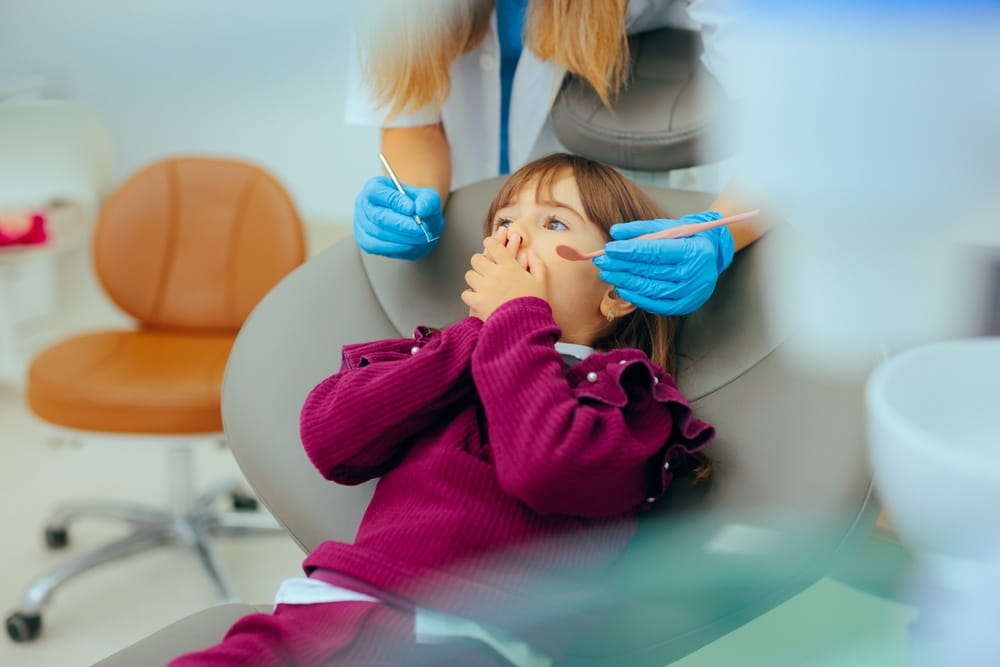
When a child experiences sudden dental pain or injury, it can be frightening for both the child and their parents. In Southwest, Florida, families often face urgent concerns such as knocked-out teeth, severe toothaches, or swelling with little warning. Emergency Dentistry frequently sees how quickly minor dental problems in children can turn into urgent situations. Understanding the most common pediatric dental emergencies, how to prevent them, and when to act quickly can help parents protect their child’s oral health and respond with confidence.
Common Dental Emergencies in Children
Children are naturally active, which increases their risk for dental injuries. Falls, sports activities, playground accidents, and even roughhousing at home can result in chipped, cracked, or knocked-out teeth. In addition to trauma, children may also experience sudden toothaches due to untreated cavities or infections.
Baby teeth and permanent teeth can both be affected by emergencies. Severe decay in primary teeth can lead to infection, pain, and swelling that may require care similar to Toothaches treatment. In some cases, untreated infection can spread, leading to concerns addressed under Abscess / Infections / Swollen Jaw services. Recognizing early symptoms such as persistent crying, refusal to eat, facial swelling, or fever is critical for parents.
What to Do If a Tooth Is Knocked Out
A knocked-out tooth is one of the most urgent dental situations a child can experience. If the tooth is a permanent tooth, immediate action can sometimes save it. Parents should gently pick up the tooth by the crown (not the root), rinse it briefly if dirty, and try to place it back in the socket if possible. If reinsertion is not possible, storing the tooth in milk and seeking immediate dental attention is recommended.
If the knocked-out tooth is a baby tooth, it should not be replanted. However, the child should still be evaluated to ensure no fragments remain and that surrounding teeth are stable. Injuries of this type often fall under Trauma care and may also involve treatment for Broken Teeth if fractures are present. Quick action can significantly influence the long-term outcome.
Managing Severe Tooth Pain in Children
Tooth pain in children is never normal and should not be ignored. Cavities can progress rapidly in young teeth due to thinner enamel. What begins as mild sensitivity can quickly escalate into intense pain, especially if the inner pulp becomes inflamed or infected.
Parents should watch for signs such as difficulty sleeping, chewing on one side of the mouth, or sensitivity to hot and cold foods. If decay has reached the nerve, treatment similar to Root Canals may be required for permanent teeth, while severely damaged baby teeth may require All Extractions. Early dental visits and regular cleanings significantly reduce the risk of these advanced procedures.
Preventing Sports-Related Dental Injuries
Many pediatric dental emergencies are preventable with proper protective measures. Children who participate in contact sports such as football, basketball, soccer, or martial arts should wear a properly fitted mouthguard. Mouthguards cushion impacts and reduce the risk of fractured or displaced teeth.
Even non-contact activities like biking or skateboarding carry a risk of falls that can damage teeth. Encouraging helmet use and safe play habits helps protect both facial and dental structures. Preventing injury is far less stressful than managing emergency treatment afterward.
Recognizing and Preventing Dental Infections
Dental infections in children can develop quickly and may become serious if untreated. Swelling in the gums, cheeks, or jaw, combined with fever or lethargy, may indicate a spreading infection. Prompt evaluation is essential to prevent complications.
Good oral hygiene habits starting at a young age are crucial. Parents should assist with brushing twice daily using fluoride toothpaste and begin flossing once teeth touch. Routine dental checkups allow providers to detect cavities early before they develop into infections requiring urgent care or prescription medications. In some cases, children may need services similar to Prescriptions to manage infection and discomfort safely.
Special Considerations for Wisdom Teeth in Teens
As children grow into their teenage years, wisdom teeth may begin to emerge. Impacted or partially erupted wisdom teeth can cause pain, swelling, and infection. Monitoring their development through regular dental visits allows parents to make informed decisions before complications arise.
Preventive removal, when appropriate, may reduce the likelihood of emergency flare-ups. Situations involving severe pain or swelling related to these teeth may require care similar to Wisdom Tooth Extractions. Early evaluation helps teens avoid sudden and disruptive dental emergencies.
Practical Steps Parents Can Take
Preventing pediatric dental emergencies requires consistent attention and healthy routines. Parents can reduce risks by:
- Scheduling regular dental checkups and cleanings
- Supervising brushing and flossing
- Limiting sugary snacks and drinks
- Encouraging mouthguard use during sports
- Seeking evaluation promptly for any dental discomfort
These preventive measures significantly lower the chances of requiring urgent treatment for pain or injury.
Dental emergencies involving children can feel overwhelming, but preparation and early intervention make a meaningful difference. By understanding common risks, maintaining strong oral hygiene routines, and acting quickly when problems arise, families in Southwest, Florida can better protect their children’s smiles. Emergency Dentistry highlights the importance of prevention, education, and timely care to ensure that children maintain healthy teeth and avoid unnecessary pain.
Resources
American Academy of Pediatric Dentistry. (2023). Dental Emergencies. AAPD.org.
American Dental Association. (2023). Mouthguards and Sports Safety. MouthHealthy.org.
Centers for Disease Control and Prevention. (2022). Children’s Oral Health. CDC.gov.


