
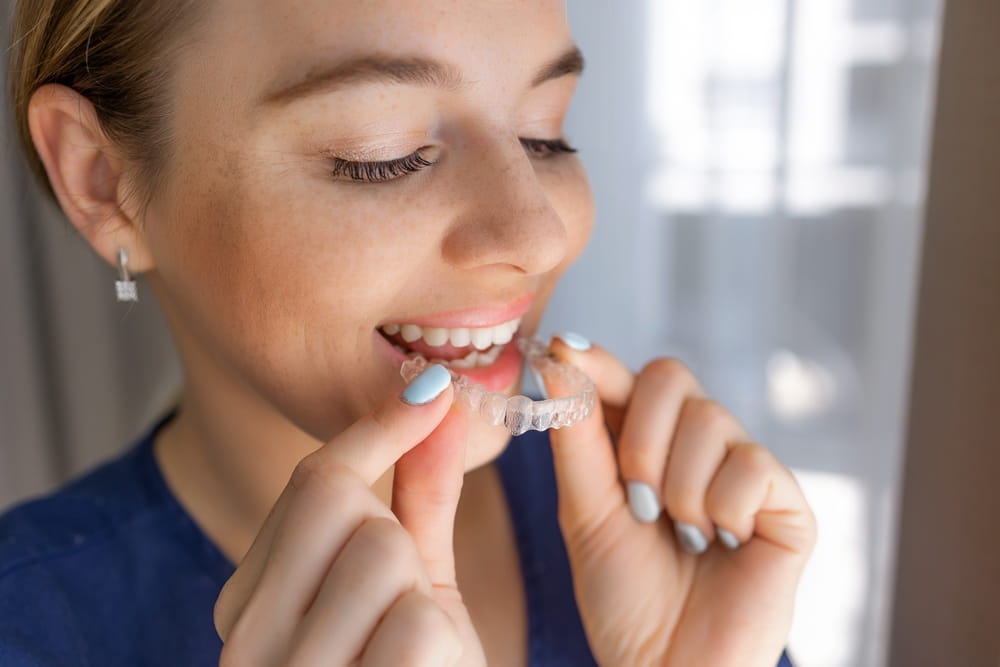
A straight, healthy smile can improve more than appearance. Properly aligned teeth can contribute to better oral hygiene, comfortable chewing, and long-term dental health. However, many adults and teenagers hesitate to pursue orthodontic treatment because they are concerned about the appearance, maintenance, and lifestyle adjustments associated with traditional braces. Clear aligners have become a popular alternative, offering a discreet and convenient approach to correcting certain orthodontic concerns.
For patients throughout Southwest Florida, understanding the advantages and limitations of different orthodontic treatments can help them make informed decisions about their dental health. At Emergency Dentistry, patient education is an important part of encouraging healthier smiles and greater awareness of available dental care options. Learning how clear aligners work, what benefits they provide, and who may qualify can help individuals determine whether this orthodontic approach aligns with their needs.
Understanding How Clear Aligners Work
Clear aligners are custom-made, removable orthodontic appliances designed to gradually reposition teeth. Unlike traditional braces, which rely on brackets and wires, clear aligners use a series of transparent plastic trays that fit closely over the teeth. Each set applies controlled pressure to encourage specific tooth movements according to a carefully developed treatment plan.
The process typically begins with a comprehensive orthodontic evaluation, including an examination of the teeth, gums, bite, and overall oral health. Digital scans, photographs, and X-rays may be used to assess alignment and develop a personalized treatment plan. Advanced planning software allows dental professionals to map out anticipated tooth movements and determine the sequence of aligners needed to achieve the desired results.
Patients generally wear their aligners for approximately 20 to 22 hours per day, removing them only for meals, beverages other than plain water, and oral hygiene. Each set is worn for a prescribed period before progressing to the next stage. Treatment duration varies depending on the complexity of the orthodontic concerns, individual tooth movement, and consistency of aligner use. Regular professional monitoring helps ensure that treatment progresses appropriately.
A Discreet Alternative to Traditional Braces
One of the most appealing benefits of clear aligners is their nearly invisible appearance. Traditional metal braces are noticeable when speaking, smiling, or interacting with others. Clear aligners, by comparison, are manufactured from transparent materials that allow the natural appearance of the teeth to remain visible throughout treatment.
This feature can be particularly attractive to working professionals, college students, and adults who prefer a subtle orthodontic option. Individuals who frequently attend meetings, interact with customers, or participate in social events may appreciate being able to straighten their teeth without the prominent appearance of metal brackets and wires. Although aligners are not completely invisible, they are generally less noticeable than conventional braces.
Clear aligners can also help patients feel more comfortable pursuing orthodontic treatment later in life. Many adults who did not receive braces during adolescence, or whose teeth have shifted after previous treatment, may consider clear aligners because of their understated appearance. The ability to address alignment concerns while maintaining a familiar smile can make orthodontic treatment more approachable.
Greater Comfort During Orthodontic Treatment
Comfort is another important consideration when comparing orthodontic treatment options. Traditional braces contain brackets and wires that may occasionally irritate the cheeks, lips, and other soft tissues inside the mouth. Clear aligners have smooth surfaces and are custom-designed to fit closely around the teeth, potentially reducing certain types of irritation.
Although patients may experience temporary pressure or soreness when beginning a new set of aligners, this sensation generally reflects the forces being applied to move the teeth. Mild discomfort often decreases as the mouth adjusts. However, aligners can still cause irritation, particularly around their edges or where attachments are placed, and persistent discomfort should be evaluated by a dental professional.
The absence of conventional wires also eliminates the possibility of a broken orthodontic wire poking the inside of the mouth. Nevertheless, clear aligners can crack, become damaged, or fit improperly. Patients should avoid attempting to repair damaged trays themselves and should contact their orthodontic provider when problems occur.
Easier Oral Hygiene and Dental Maintenance
Maintaining good oral hygiene is essential during orthodontic treatment. Traditional braces can create additional spaces where food particles and plaque accumulate, making brushing and flossing more challenging. Clear aligners offer a practical advantage because they can be removed before cleaning the teeth.
Patients can continue brushing and flossing using familiar techniques without having to navigate around permanently attached brackets and wires. This accessibility may help support healthier gums and reduce plaque accumulation when combined with consistent oral hygiene habits. However, removable aligners do not automatically prevent cavities or gum disease, and proper cleaning remains essential throughout treatment.
Aligners themselves must also be cleaned regularly to prevent bacterial buildup, odors, and discoloration. Patients should follow their provider’s cleaning instructions and avoid exposing trays to excessive heat, which may distort the material. Brushing and flossing before reinserting aligners can help prevent food particles and sugars from becoming trapped against the teeth for extended periods.
Fewer Dietary Restrictions and Greater Flexibility
Traditional braces often require patients to avoid certain hard, sticky, or chewy foods that could damage brackets or wires. Clear aligners offer greater dietary flexibility because patients remove their trays before eating. This allows individuals to continue enjoying many of their preferred foods without the same appliance-related restrictions.
Whether eating crunchy vegetables, enjoying a family meal, or dining at a restaurant, patients can temporarily remove their aligners and eat normally. However, aligners should be stored safely in their protective case rather than wrapped in napkins or placed loosely in a pocket, where they can easily become lost or damaged.
Patients must also remember that aligners need to be worn consistently for treatment to remain on schedule. Frequent snacking or prolonged meal breaks can reduce daily wear time. Beverages containing sugar, acids, or coloring agents should generally be consumed after removing the trays, since drinking them while wearing aligners may increase the risk of staining and tooth decay.
Improving Dental Alignment and Bite Function
Clear aligners are commonly used to address several orthodontic concerns, including crowded teeth, unwanted spacing, and certain bite irregularities. When teeth overlap or are positioned too closely together, cleaning between them can become difficult. Correcting these alignment problems may make daily oral hygiene more manageable.
Orthodontic treatment may also improve how the upper and lower teeth fit together. Certain bite problems can interfere with chewing efficiency or contribute to uneven contact between teeth. By repositioning selected teeth, clear aligners may improve bite relationships and help distribute chewing forces more appropriately.
However, not every orthodontic condition can be effectively treated with clear aligners alone. Severe bite discrepancies, significant skeletal differences, and complex tooth movements may require traditional braces, additional orthodontic appliances, or other interventions. A thorough professional evaluation is necessary to determine whether aligners can achieve the desired functional and aesthetic improvements.
Convenient Treatment Planning and Progress Monitoring
Digital technology plays an important role in modern clear aligner treatment. In many cases, intraoral scanners create detailed three-dimensional representations of the teeth without requiring conventional impression materials. These digital models help dental professionals assess alignment, plan tooth movements, and manufacture customized aligner trays.
Treatment planning software can also provide a visual simulation of anticipated changes in tooth position. While these simulations can help patients understand the proposed treatment process, they represent projected outcomes rather than guaranteed results. Actual tooth movement depends on biological responses, treatment complexity, and patient cooperation.
Clear aligner treatment may require fewer certain types of adjustment appointments than traditional braces, since there are no wires to tighten. Nevertheless, regular monitoring remains necessary to evaluate progress, assess oral health, and identify potential problems. Some patients may require additional aligners, attachments, or modifications to their treatment plan to achieve appropriate results.
Supporting Confidence Throughout the Treatment Process
Dental alignment can influence how individuals feel about their smiles. Patients who are self-conscious about crowded, crooked, or widely spaced teeth may avoid smiling in photographs or feel uncomfortable during social interactions. Orthodontic treatment provides an opportunity to address these concerns while supporting dental function.
Because clear aligners are discreet, patients may feel more comfortable smiling during treatment rather than waiting until their teeth have reached their final positions. This can be particularly meaningful for individuals who previously avoided orthodontic care because they did not want visible braces.
However, confidence and satisfaction are highly individual, and orthodontic treatment should be guided by realistic expectations rather than pressure to achieve a particular appearance. A healthy smile does not require perfectly uniform teeth. The primary goal should be to establish appropriate alignment, function, and oral health while considering each patient’s personal preferences.
Who May Be a Good Candidate for Clear Aligners?
Clear aligners may be appropriate for teenagers and adults with mild to moderate orthodontic concerns, although some more complex cases can also be managed successfully by experienced orthodontic providers. Common reasons for considering treatment include crowded teeth, gaps between teeth, minor bite irregularities, and teeth that have shifted following previous orthodontic treatment.
Successful treatment requires a commitment to wearing the aligners as directed. Because the trays are removable, patients must consistently follow their prescribed wear schedule. Individuals who frequently forget to wear their aligners or remove them for extended periods may experience slower progress or less predictable results.
Good oral health is another important consideration. Untreated cavities, active gum disease, and other dental concerns may need to be addressed before orthodontic treatment begins. For example, patients experiencing persistent toothaches or symptoms of dental infections should seek appropriate evaluation before starting elective orthodontic care. Addressing existing dental problems helps establish a healthier foundation for tooth movement.
Long-Term Results and the Importance of Retainers
Completing the active phase of clear aligner treatment is an important milestone, but maintaining the results requires continued attention. Teeth naturally have a tendency to shift over time, particularly after orthodontic appliances are removed. Retainers help preserve the corrected alignment and reduce the likelihood of unwanted movement.
Depending on the patient’s needs, a dental professional may recommend removable retainers, fixed retainers, or a combination of both. The recommended wear schedule can vary, although many patients require long-term nighttime retainer use to maintain their results. Following these instructions is essential for protecting the time and effort invested in orthodontic treatment.
Patients should also continue routine dental examinations, professional cleanings, and consistent oral hygiene. Changes in gum health, tooth wear, and other dental conditions can influence long-term outcomes. Maintaining regular dental care supports both the appearance and function of the newly aligned smile.
Making an Informed Decision About Clear Aligners
Clear aligners offer several potential advantages, including discreet appearance, removable convenience, easier oral hygiene, and the ability to address a range of orthodontic concerns. Their custom-designed structure and digitally planned treatment process make them an appealing option for many individuals interested in improving dental alignment without conventional braces.
However, clear aligners are not the ideal solution for every patient. Treatment success depends on the complexity of the case, appropriate professional supervision, consistent wear, and realistic expectations. Understanding these factors helps patients compare orthodontic options and choose an approach that supports their long-term dental health.
For individuals throughout Southwest Florida, learning about orthodontic treatment is one part of maintaining a healthy, functional smile. Emergency Dentistry encourages patients to stay informed about their oral health, recognize dental concerns early, and seek professional guidance when needed. Whether exploring clear aligners or addressing other dental needs, informed decisions and preventive care can contribute to healthier smiles for years to come.
Resources
- American Association of Orthodontists. (n.d.). Clear Aligners. American Association of Orthodontists. https://aaoinfo.org/
- Papadimitriou, A., Mousoulea, S., Gkantidis, N., & Kloukos, D. (2018). Clinical Effectiveness of Invisalign Orthodontic Treatment: A Systematic Review. Progress in Orthodontics, 19, 37. https://doi.org/10.1186/s40510-018-0235-z
- Rossini, G., Parrini, S., Castroflorio, T., Deregibus, A., & Debernardi, C. L. (2015). Efficacy of Clear Aligners in Controlling Orthodontic Tooth Movement: A Systematic Review. The Angle Orthodontist, 85(5), 881–889. https://doi.org/10.2319/061614-436.1


