
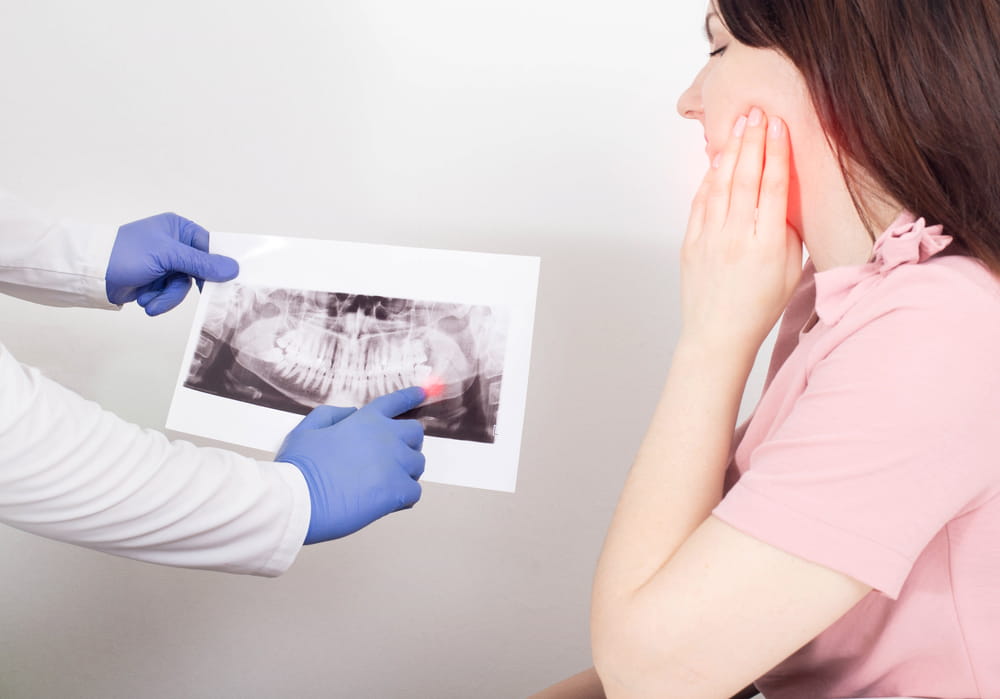
Dental injuries can happen suddenly and without warning. Whether caused by a sports accident, a fall, a car collision, or even biting down on something unexpectedly hard, trauma to the mouth can have serious consequences. At Emergency Dentistry in Southwest Florida, multiple providers often evaluate patients who are concerned about pain or numbness after an injury. One of the most significant complications of dental trauma is nerve damage inside the tooth.
Each tooth contains a soft inner layer called the pulp. This pulp houses blood vessels, connective tissue, and nerves that keep the tooth alive and responsive. When a tooth experiences impact, the force can travel through the enamel and dentin to the pulp. Even if there is no visible crack, the nerve inside may become inflamed, bruised, or severed. Damage to this delicate tissue can disrupt the tooth’s ability to function normally and may lead to long-term problems if not treated promptly.
Types of Dental Trauma That Can Harm Nerves
Not all dental injuries are obvious. Some involve dramatic fractures or knocked-out teeth, while others may seem minor at first. Direct trauma, such as a blow to the face, can cause broken teeth or dislodge a tooth from its socket. In these cases, the nerve is often directly affected by the force of the injury. Severe fractures that extend deep into the tooth significantly increase the risk of nerve involvement.
Indirect trauma can also result in nerve damage. For example, if a tooth is pushed slightly out of position but not completely knocked out, the blood supply to the pulp may be compromised. Over time, the nerve can deteriorate due to reduced circulation. Even cases involving cracked teeth without visible pulp exposure can progress to nerve inflammation. Situations categorized under trauma frequently overlap with issues like toothaches, root canals, and, in more advanced cases, abscesses or swollen jaws if infection develops.
Warning Signs of Nerve Damage After an Injury
Recognizing the signs of nerve damage is essential for preventing complications. Pain is one of the most common symptoms. However, the type of pain can vary. Some individuals experience sharp, immediate discomfort following trauma. Others may notice dull, lingering pain that develops days or even weeks later. Sensitivity to hot or cold that does not subside quickly can also signal pulp inflammation.
Another warning sign is discoloration of the tooth. When the nerve is damaged, internal bleeding or tissue breakdown may cause the tooth to appear gray or darkened. Swelling, gum tenderness, or a small pimple-like bump near the injured tooth can indicate infection. In more severe cases, numbness in the lips, chin, or surrounding tissues may occur, particularly if the trauma affects larger facial nerves. These symptoms should never be ignored, as untreated nerve damage can progress rapidly.
Symptoms That Require Immediate Attention
Seek urgent dental evaluation if you experience:
- Persistent or severe tooth pain after an injury
- Swelling of the gums, jaw, or face
- Tooth discoloration following trauma
- Pus or signs of infection
- Numbness that does not resolve
- A loose or displaced tooth
Prompt assessment can determine whether the nerve is still viable or if intervention is necessary to prevent further damage.
How Dentists Diagnose Nerve Damage
After dental trauma, a thorough evaluation is crucial. Dentists typically perform a clinical examination along with imaging such as dental X-rays to assess fractures, root damage, or changes around the tooth’s apex. They may also conduct vitality tests, which measure how the nerve responds to temperature or electrical stimulation. These tests help determine whether the pulp is still healthy or if it has lost vitality.
Sometimes, nerve damage does not become apparent immediately. A tooth that initially responds normally may deteriorate over time. Follow-up visits are often recommended to monitor changes. This is especially important in cases involving children and adolescents, whose teeth may still be developing. Early detection allows for timely intervention and increases the chances of preserving the natural tooth.
Treatment Options for Trauma-Related Nerve Damage
Treatment depends on the extent of the injury. If the pulp is inflamed but not irreversibly damaged, conservative care and monitoring may be sufficient. However, if the nerve has died or become infected, root canal therapy is often necessary. During this procedure, the damaged pulp is removed, the inner chamber is cleaned, and the space is sealed to prevent bacteria from reentering.
In cases where the tooth is too severely damaged to save, extractions may be required. This can include all extractions or wisdom tooth extractions, depending on the tooth involved. After removal, restorative options such as implants or same day crowns and dentures may be considered to restore function and appearance. If infection spreads, emergency gum treatment or prescriptions for antibiotics may also be needed. Pain relief strategies are commonly used alongside definitive treatment to manage discomfort.
The Long-Term Consequences of Untreated Nerve Damage
Ignoring dental trauma can have serious long-term consequences. A dead or infected nerve can lead to the formation of an abscess. This infection can spread to surrounding bone and soft tissues, resulting in swelling, significant pain, and systemic symptoms such as fever. Left untreated, dental infections can impact overall health.
Additionally, structural weakening of the tooth increases the risk of fractures. Even after root canal treatment, a tooth may require a crown to provide strength and protection. Failure to restore the tooth properly can result in further complications, including breakage under normal chewing forces. Addressing trauma promptly reduces the likelihood of these outcomes and helps preserve oral health.
Preventing Dental Trauma and Protecting Nerves
While not all accidents are preventable, certain measures can reduce the risk of dental trauma. Wearing a properly fitted mouthguard during sports activities significantly lowers the chance of injury. Using seatbelts and practicing general safety precautions also play a role in protecting facial structures.
Maintaining regular dental checkups ensures that pre-existing issues, such as weakened enamel or large fillings, are addressed before an injury occurs. Teeth that are already compromised may be more susceptible to nerve damage during trauma. Preventive care strengthens the foundation of oral health and improves resilience against unexpected impacts.
Final Thoughts on Trauma and Nerve Health
Dental trauma and nerve damage are closely linked because the inner pulp tissue is highly sensitive to force and disruption. What may appear to be a minor injury can evolve into a serious condition if the nerve becomes inflamed or infected. Paying attention to symptoms such as pain, discoloration, and swelling is critical.
Patients in Southwest Florida who experience dental injuries should understand the potential risks to the nerve and seek timely evaluation. Emergency Dentistry emphasizes the importance of prompt attention after trauma, as early diagnosis and treatment can make the difference between saving and losing a tooth. Protecting the health of the dental nerve is essential for long-term comfort, function, and overall well-being.
Sources
American Association of Endodontists. (2022). Traumatic Dental Injuries: Guidelines for Treatment. American Association of Endodontists.
American Dental Association. (2023). Dental Emergencies. American Dental Association.
Mayo Clinic Staff. (2023). Broken or Knocked-Out Tooth. Mayo Clinic.


