
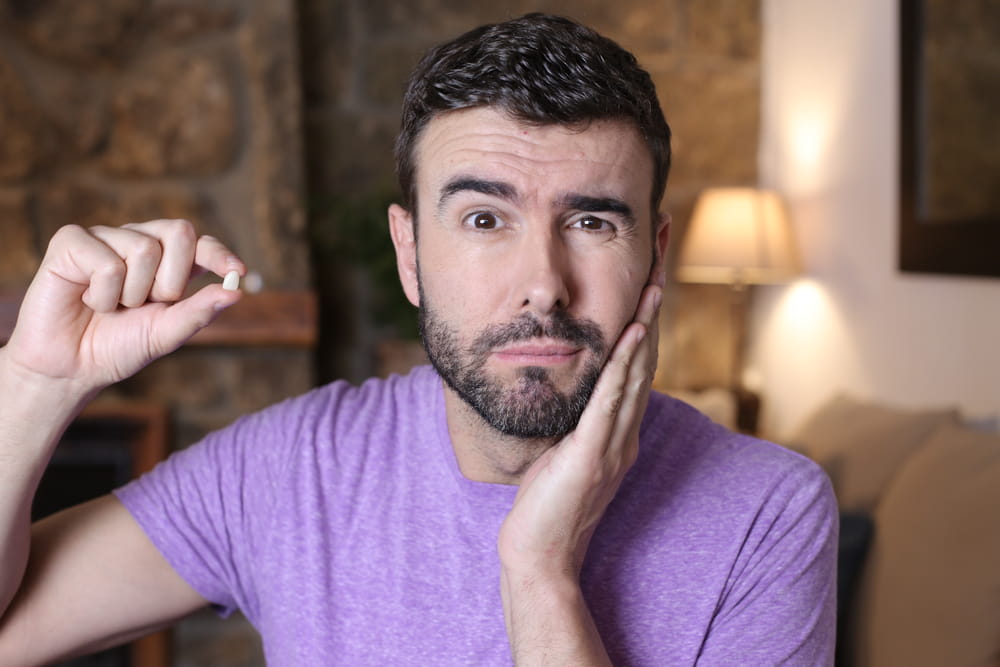
A loose tooth in a child is a normal part of development. In adults, however, it is almost always a sign of an underlying problem. At Emergency Dentistry in Southwest Florida, multiple providers often evaluate adults who are alarmed to notice movement in a tooth that once felt stable. Understanding why this happens is the first step toward determining whether the tooth can be saved.
Adult teeth are anchored in the jawbone by roots and supported by periodontal ligaments and surrounding gum tissue. When these supporting structures are compromised, the tooth may begin to shift or loosen. Common causes include advanced gum disease, untreated infection, dental trauma, or severe tooth decay. In some cases, clenching or grinding can gradually weaken the attachment apparatus, especially if the tooth has large fillings or previous restorations. Identifying the exact cause is essential because treatment options vary depending on the source of the instability.
The Role of Gum Disease in Tooth Mobility
One of the most frequent reasons adults experience loose teeth is periodontal disease. Gum disease begins with inflammation of the gums but can progress to destruction of the bone and connective tissue that hold teeth in place. As the supporting bone deteriorates, the tooth may feel wobbly or shift when chewing.
In early stages, gum disease may be reversible with professional cleanings and improved oral hygiene. However, in advanced cases, more intensive interventions such as emergency gum treatment may be necessary to control infection and stabilize the area. If bone loss is significant, saving the tooth becomes more challenging. Even so, early diagnosis and targeted therapy can often halt progression and improve stability. Monitoring swelling, bleeding, and gum recession is critical to preventing permanent damage.
Trauma and Sudden Tooth Loosening
A loose tooth can also result from an injury. Falls, sports accidents, or car collisions can damage the ligaments and bone that secure a tooth. Even if the tooth is not completely knocked out, the force of impact can cause it to become mobile. These cases are categorized under dental trauma and require prompt evaluation.
The good news is that teeth loosened by trauma can sometimes be saved if treated quickly. Dentists may stabilize the tooth with a splint, which temporarily bonds it to neighboring teeth while the supporting tissues heal. However, trauma can also injure the nerve inside the tooth. If nerve damage occurs, additional treatment such as root canals may be required to preserve the tooth’s function and prevent infection. Delaying care increases the risk of complications, including abscess formation or eventual tooth loss.
Infection and Structural Damage
Severe tooth decay or deep infection can weaken both the internal and external structures of a tooth. When bacteria invade the pulp, inflammation and pressure can develop within the confined space of the tooth. This may lead to pain, swelling, and mobility. In some cases, infection spreads to the surrounding bone, further reducing support.
If caught early, treatment may involve removing decay and restoring the tooth. However, advanced infections often require more complex care. Root canal therapy can eliminate infected tissue and preserve the remaining tooth structure. If the damage is beyond repair, all extractions may be considered to protect overall oral health. Following extraction, options such as implants or same day crowns and dentures can restore appearance and chewing ability. Early intervention significantly improves the likelihood of saving the natural tooth.
How Dentists Determine If a Loose Tooth Can Be Saved
A comprehensive evaluation is necessary to determine the prognosis of a loose tooth. Dentists assess the degree of mobility, examine the gums for signs of infection, and take imaging to evaluate bone levels. Mild mobility may indicate reversible inflammation, while severe movement often suggests advanced structural compromise.
The health of the tooth’s pulp is another critical factor. Vitality testing helps determine whether the nerve is still alive. If the pulp remains healthy and bone loss is limited, the outlook is generally more favorable. Dentists also consider the patient’s overall oral health, including adjacent teeth and bite alignment. Each case is unique, and the decision to save or remove a tooth depends on a combination of these factors.
Signs That Require Immediate Dental Attention
If you notice any of the following symptoms along with a loose tooth, seek urgent evaluation:
- Significant pain or throbbing
- Swelling of the gums or face
- Bleeding that does not resolve
- Pus or signs of infection
- Sudden loosening after trauma
- Difficulty chewing or biting
These signs may indicate infection, nerve involvement, or advanced periodontal disease that needs prompt care.
Treatment Options for Stabilizing a Loose Tooth
When possible, treatment focuses on addressing the underlying cause. For gum-related mobility, deep cleanings and targeted periodontal therapy may help reduce inflammation and allow tissues to tighten around the tooth. In trauma cases, splinting provides stability while ligaments recover. If infection is present, prescriptions for antibiotics and pain relief may be used alongside definitive dental procedures.
In certain situations, adjusting the bite can reduce excessive pressure on a loose tooth. Nightguards may be recommended for individuals who grind their teeth. When structural damage is significant, restorative procedures such as crowns can provide reinforcement. However, if a tooth cannot be saved, replacing it promptly is important to prevent shifting of surrounding teeth and bone loss.
The Importance of Acting Quickly
Time plays a crucial role in saving a loose tooth. The longer the underlying issue remains untreated, the greater the chance of irreversible damage. Infections can spread, bone loss can progress, and trauma-related injuries can worsen. Early care increases the likelihood of preserving natural teeth and avoiding more invasive procedures.
Patients in Southwest Florida who experience a loose tooth should treat it as a warning sign rather than a minor inconvenience. Even if there is little pain, the movement indicates that something is wrong beneath the surface. Prompt evaluation provides clarity and may prevent the need for extractions or more complex restorative solutions.
Final Thoughts on Saving a Loose Adult Tooth
A loose tooth in adulthood is not normal, but it is not always a lost cause. Depending on the reason for the mobility, many teeth can be stabilized and preserved with timely, appropriate care. Understanding the potential causes—whether gum disease, trauma, or infection—helps guide the path toward effective treatment.
Emergency Dentistry in Southwest Florida emphasizes the importance of early assessment when changes in tooth stability occur. Protecting the structures that support your teeth is essential for long-term oral health. If you notice movement in an adult tooth, seeking professional evaluation promptly may make the difference between saving your natural smile and losing it.
Sources
American Dental Association. (2023). Gum Disease (Periodontal Disease). American Dental Association.
American Association of Endodontists. (2022). Root Canal Treatment: What You Should Know. American Association of Endodontists.
Cleveland Clinic. (2023). Loose Tooth in Adults: Causes & Treatment. Cleveland Clinic.


