
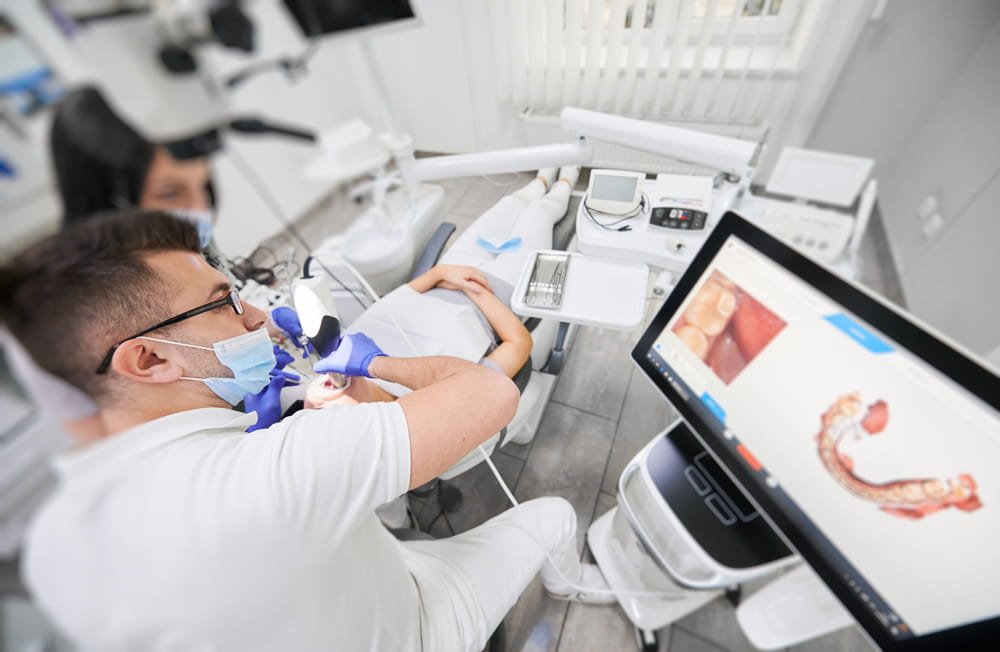
Dentistry has experienced remarkable technological advancements over the past several years, changing how dental professionals diagnose oral health concerns, plan treatments, and restore damaged teeth. From digital imaging and artificial intelligence to 3D printing and advanced restorative materials, modern dental innovations are helping make certain procedures more precise, efficient, and comfortable. These developments are also providing patients with more opportunities to understand their oral health and participate in treatment decisions.
For patients throughout Southwest Florida, staying informed about new dental products and technology can make dental appointments feel less intimidating and help individuals better understand their treatment options. Emergency Dentistry recognizes the importance of patient education in promoting oral health awareness. Understanding how emerging dental technologies work, their potential benefits, and their limitations can help patients make informed decisions about preventive, restorative, and emergency dental care.
Digital Dentistry and the Shift Toward More Precise Care
Digital dentistry refers to the use of computer-based tools and technologies to support dental examinations, treatment planning, and restorative procedures. Traditional dentistry often relies on physical impressions, conventional X-rays, and manually fabricated dental restorations. Digital systems can streamline certain aspects of these processes while providing detailed information about the teeth, gums, and surrounding structures.
One of the most significant advantages of digital dentistry is the ability to capture, store, and analyze patient information electronically. Dental professionals can use digital records to compare changes over time, communicate treatment recommendations, and coordinate care with specialists or dental laboratories. These capabilities can be particularly valuable when patients require complex restorative procedures or multiple stages of treatment.
Digital technology does not replace clinical experience or professional judgment. Instead, it provides additional tools that may improve diagnostic accuracy, treatment planning, and communication. The effectiveness of these systems depends on proper training, appropriate equipment selection, and careful interpretation of the information collected.
Intraoral Scanners and Comfortable Digital Impressions
Intraoral scanners have become increasingly common in modern dental practices. These handheld devices capture detailed digital images of the teeth and gums, creating three-dimensional models of the mouth. Unlike conventional dental impressions, which often require patients to bite into trays filled with impression material, digital scanning can capture dental structures without using bulky molding materials.
This technology may be particularly beneficial for patients with sensitive gag reflexes or those who find traditional impressions uncomfortable. Digital scans can also be used to design crowns, bridges, clear aligners, and other dental appliances. Because the information is stored electronically, dental professionals and laboratories can exchange models without physically transporting impression materials.
However, digital scanning is not appropriate for every clinical situation. Certain complex restorative procedures or difficult-to-access areas may still require conventional impressions. The choice between digital and traditional methods depends on the patient’s anatomy, treatment requirements, and the accuracy needed for the final restoration.
3D Printing and Customized Dental Restorations
Three-dimensional printing is transforming how certain dental appliances and restorations are manufactured. Using digital designs, specialized printers create physical objects by building successive layers of approved dental materials. This process can produce customized surgical guides, orthodontic models, temporary restorations, dentures, and other dental devices.
One of the primary benefits of 3D printing is customization. Because dental anatomy differs from person to person, digitally designed appliances can be manufactured according to individual measurements and treatment requirements. This may improve workflow efficiency and reduce production time for certain products compared with traditional laboratory methods.
Advancements in printable dental materials have expanded the potential applications of this technology. However, not every printed material is suitable for permanent use in the mouth. Strength, durability, biocompatibility, and regulatory clearance vary by product and intended application. Dental professionals must select materials that are appropriate for each procedure and follow established manufacturing and safety guidelines.
Same-Day Crowns and Computer-Aided Dental Restorations
Computer-aided design and computer-aided manufacturing, commonly called CAD/CAM technology, allow dental professionals to digitally design restorations and manufacture them using specialized milling machines or other fabrication systems. In suitable cases, this process can make it possible to complete a dental crown during a single appointment.
Traditional crown treatment often involves preparing the tooth, taking an impression, placing a temporary crown, and waiting for a dental laboratory to fabricate the permanent restoration. With certain chairside CAD/CAM systems, the prepared tooth can be scanned, the crown digitally designed, and the restoration manufactured during the same visit. This may reduce the number of appointments required.
Patients considering same-day crowns should understand that treatment suitability depends on the condition of the tooth, the available restorative materials, and the complexity of the case. Some crowns still require laboratory fabrication, particularly when extensive customization or specialized materials are needed. Regardless of the manufacturing method, proper fit, bite alignment, and long-term maintenance remain essential.
Artificial Intelligence in Dental Imaging and Diagnosis
Artificial intelligence, or AI, is becoming an increasingly important area of dental technology. Certain AI-powered software systems can analyze dental images and identify patterns that may indicate cavities, bone changes, or other oral health concerns. These tools are designed to assist dental professionals by highlighting areas that may require closer examination.
For example, AI-assisted imaging software may help identify suspicious regions on dental X-rays that could otherwise be difficult to distinguish. Some systems also provide visual overlays that make it easier for patients to understand what their dentist is evaluating. This can support communication and encourage more informed conversations about treatment recommendations.
Despite its potential, AI is not a substitute for a comprehensive dental examination. Automated systems can produce false-positive or false-negative findings, and their performance may vary depending on image quality and patient characteristics. Dental professionals must interpret AI-generated information alongside clinical findings, medical history, and other diagnostic evidence before recommending treatment.
Advanced Digital X-Rays and 3D Dental Imaging
Digital X-rays have improved how dental professionals capture and review images of the teeth and surrounding structures. Compared with conventional film-based systems, digital radiography allows images to appear quickly on a computer screen, where they can be enlarged and adjusted for closer examination. Modern digital sensors can also reduce radiation exposure compared with some traditional film techniques when appropriate settings are used.
Cone-beam computed tomography, commonly called CBCT, provides three-dimensional images of the teeth, jawbone, and surrounding anatomical structures. This technology can be particularly useful when planning dental implants, evaluating impacted teeth, or assessing certain complex dental conditions. Three-dimensional imaging can help dental professionals understand the location of important structures before performing procedures.
Although advanced imaging offers valuable diagnostic information, more imaging is not always better. The American Dental Association’s updated 2026 recommendations emphasize selecting dental X-rays according to individual clinical needs and using CBCT only when lower-exposure imaging cannot provide the necessary information. This approach helps balance diagnostic benefits with patient safety.
American Dental Association+1
Laser Dentistry and Minimally Invasive Procedures
Dental lasers use concentrated light energy to perform specific procedures involving soft or hard oral tissues. Depending on the laser system and its intended application, dental professionals may use this technology for certain gum treatments, soft tissue procedures, and selected restorative applications.
One potential advantage of laser dentistry is the ability to target specific tissues with controlled energy. In certain soft tissue procedures, lasers may reduce bleeding and improve visibility during treatment. Some patients may also experience less postoperative discomfort, although outcomes vary depending on the procedure, laser type, and individual response.
Laser technology is not suitable for every dental condition and does not eliminate the need for conventional instruments or anesthesia. For patients experiencing gum inflammation or other periodontal concerns, the appropriate treatment depends on the underlying diagnosis. Professional evaluation remains essential when determining whether conventional periodontal therapy, laser-assisted treatment, or another approach is appropriate.
New Dental Materials for Stronger, Natural-Looking Restorations
Innovations in dental materials have expanded the options available for repairing damaged or missing teeth. Modern ceramics, composite resins, and zirconia-based restorations are designed to provide combinations of strength, durability, and natural appearance. These materials can be used for crowns, bridges, fillings, and other restorative procedures.
Zirconia has become an important material in restorative dentistry because of its mechanical strength and ability to withstand substantial chewing forces. Advances in manufacturing have also improved the appearance of certain zirconia restorations, making them more suitable for visible areas of the smile. Meanwhile, newer composite materials continue to offer tooth-colored options for repairing smaller areas of damage.
Material selection depends on several factors, including the location of the tooth, bite forces, aesthetic preferences, and the amount of remaining natural tooth structure. Patients seeking treatment for broken teeth may benefit from understanding how different restorative materials compare. No material is completely resistant to wear or fracture, making appropriate treatment planning and ongoing maintenance important.
Technology in Root Canal Treatment and Dental Emergencies
Advancements in dental technology are also influencing how dental professionals evaluate and manage urgent oral health concerns. Electronic apex locators, specialized rotary instruments, and enhanced imaging systems can support greater precision during certain endodontic procedures. These tools help clinicians assess root canal anatomy, measure working lengths, and clean infected or damaged tooth structures.
Modern root canal treatment may incorporate digital imaging and specialized instruments to support efficient treatment. However, successful outcomes still depend on thorough cleaning, disinfection, sealing, and restoration of the affected tooth. Complex root anatomy or severe infections may require additional treatment or specialist care.
For patients experiencing severe tooth pain, swelling, or dental trauma, prompt evaluation remains more important than the specific technology used. Advanced equipment can support diagnosis and treatment, but it cannot replace timely professional attention. Recognizing symptoms early and seeking appropriate care can help reduce the risk of complications.
The Future of Dental Technology and Patient-Centered Care
Dental innovation continues to move toward greater personalization, digital integration, and minimally invasive treatment approaches. Developments in artificial intelligence, advanced materials, digital manufacturing, and treatment planning software may further improve how dental professionals identify problems and develop individualized care plans.
Researchers and manufacturers are also exploring technologies that could improve communication between dental practices, laboratories, and specialists. Integrated digital systems may allow information to move more efficiently between different stages of treatment, potentially reducing delays and improving coordination.
However, new technology should always be evaluated according to clinical evidence, safety, effectiveness, and patient needs. A newer product is not necessarily superior to an established treatment method. Patients benefit most when technological advancements are combined with careful diagnosis, professional experience, and clear communication about available options.
Understanding the Value of Innovation in Modern Dentistry
New products and technology are helping shape the future of dentistry by expanding diagnostic capabilities, improving treatment planning, and creating additional restorative options. Digital impressions, 3D printing, advanced imaging, AI-assisted software, and modern dental materials each contribute to a changing landscape of oral healthcare.
For patients, the greatest benefit of these advancements is the opportunity to receive care that is appropriate for their individual needs. Understanding how different technologies work can make treatment decisions easier and encourage meaningful conversations with dental professionals about expected outcomes, limitations, and long-term maintenance.
Emergency Dentistry encourages patients throughout Southwest Florida to remain informed about developments in dental healthcare while continuing to prioritize preventive care and timely treatment. Whether someone is researching new restorative materials, learning about digital imaging, or managing an unexpected dental concern, education and professional guidance remain essential for maintaining a healthy smile.
Resources
1. American Dental Association. (n.d.). Digital Dentistry and Technology. American Dental Association. https://www.ada.org/resources/practice/practice-management/digital-dentistry-and-technology/
2. American Dental Association. (2026). New Recommendations Confirm Dental X-Rays Most Effectively Used in Moderation. American Dental Association. https://www.ada.org/about/press-releases/new-recommendations-confirm-dental-x-rays-most-effectively-used-in-moderation
3. American Dental Association. (n.d.). Dental Innovation: How to Choose a 3-D Printer. American Dental Association. https://www.ada.org/resources/practice/practice-management/how-to-choose-a-3d-printer


